Wednesday, 1 January 2020

In A Mess

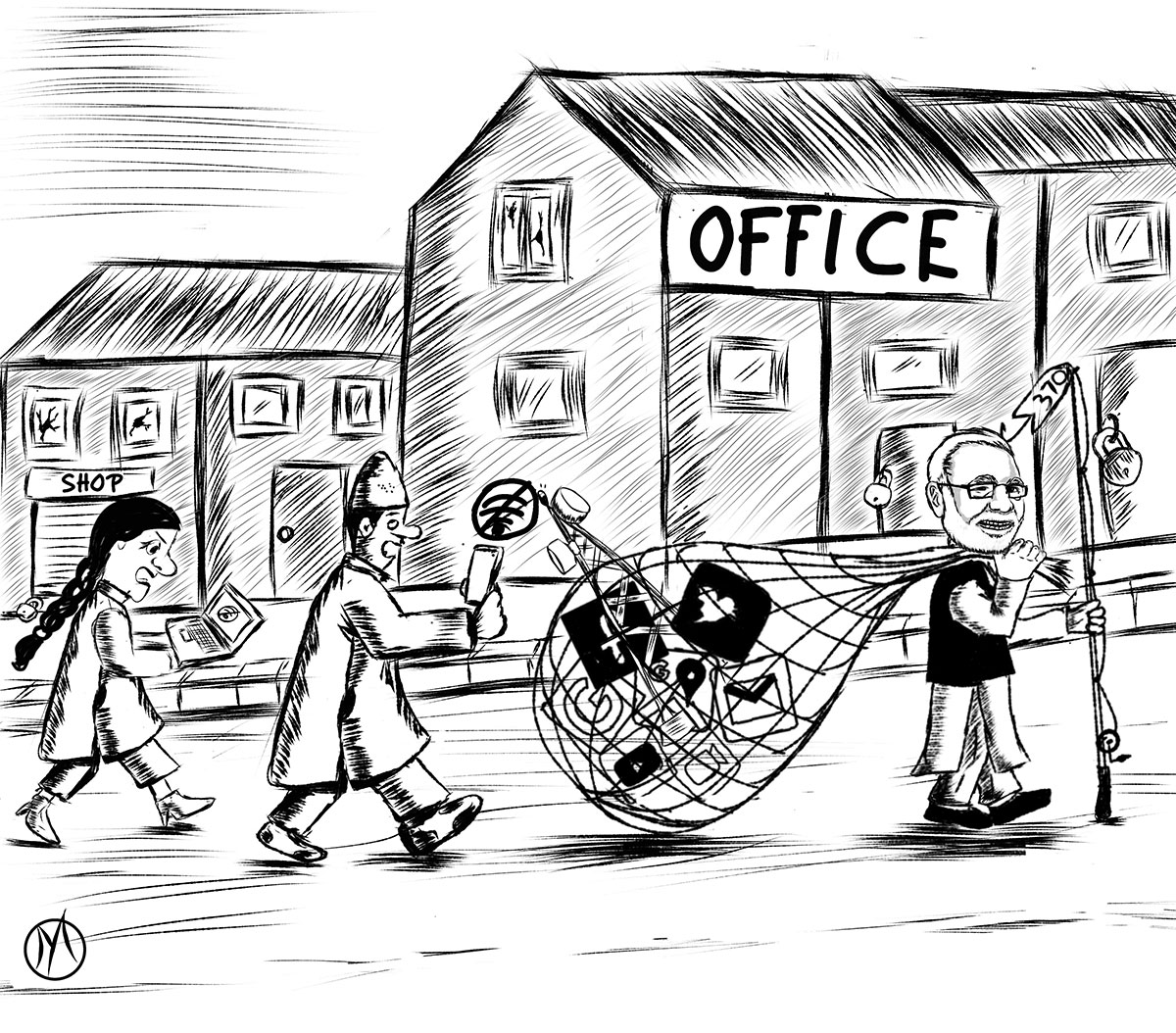
At a time when the businesses across Jammu and Kashmir are bleeding, the government is working overtime for managing afresh Rs 100000 crores of investment to the UT to allay fears, reports Masood Hussain
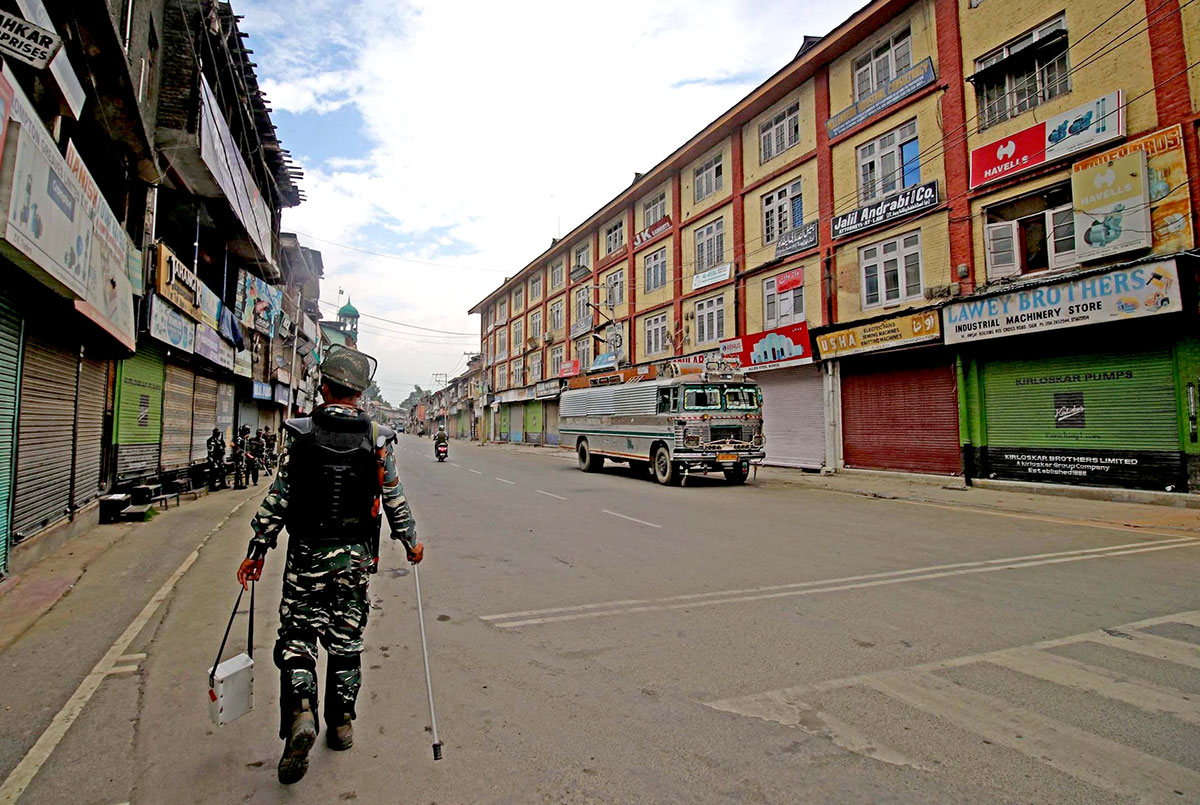
A deserted view of Srinagar post August 5. KL Image by Bilal Bahadur

A deserted view of Srinagar post August 5. KL Image by Bilal Bahadur

In December when Union Industries and Railway Minister Piyush Goyal were called on by five Kashmir trade and business leaders, they appreciated Delhi’s efforts to bring in new investment. But they had a query: “How can new investment sustain when the existing one is getting out of business?”

Detailing the crisis that the businesses across Jammu and Kashmir are facing in the aftermath of August 5, the Kashmir trio comprising Kashmir Chamber President Sheikh Ashiq, Farooq Amin, Shahid Kamili, Mushtaq Chaya and Mohammad Ashraf asserted that the government is duty-bound to bring the economy out of the morass. “Kashmir has seen investors coming, getting land allotted, claiming incentives and leaving for good,” Farooq Amin said they told the visiting minister. “The only real stake on long term basis is the local investor.”

Survival of the local business, in last more than 30 years when Kashmir remained closed for more than 3800 days because of curfew and protest strikes, is itself a miracle. “But even that has its limits,” Farooq said. “If it goes on and on, the businesses will collapse one day.”

“We sought rehabilitation of loans and term loans to the extent of at least 76 percent for the period of 2014 floods, 2016 unrest and the ongoing turmoil,” Shahid Kamili said. “We strongly suggested insurance against production loss because of the situation so that off-setting impact of the tensions can be hedged on jobs and the bank accounts. The minister said the suggestion was good and needs to be accepted.”

Despite the disruptions in last 150 days, the banking sector in Jammu and Kashmir continues to strictly follow the RBI norm that an under-serviced account for 90 days must be declared an impaired asset in the fourth month. Jammu and Kashmir Bank that controls more than 60 percent of the loan book in the UTs of Jammu and Kashmir and Ladakh, has not made its Q3 report public. Sources told Kashmir Life that the bank has been asked to wait till MHA comes out with some sort of a bail-out that will help reduce the quantum of impaired assets owing to strict implementation of the norms in vogue. Banks are supposed to make the quarterly reports public within three fortnights.

This might have some connection with the Goyal’s meeting and the constant communication that has been going to the North Block from the civil secretariat in Jammu since August 5. The trade is seeking interest remission for the period on their loans. They insist that the crisis were outcome of a government decision that disrupted the business environment. Nobody actually knows if these cries for corrective intervention are being taken note of in the midst of the CAA and NRC din.

As one the governance systems are visibly unresponsive, trade says the taxman has gone hyper-active. Farooq said they have got Income Tax notices in bulk despite the entire trade filing their returns faithfully. “There are even penalties,” he asserted.
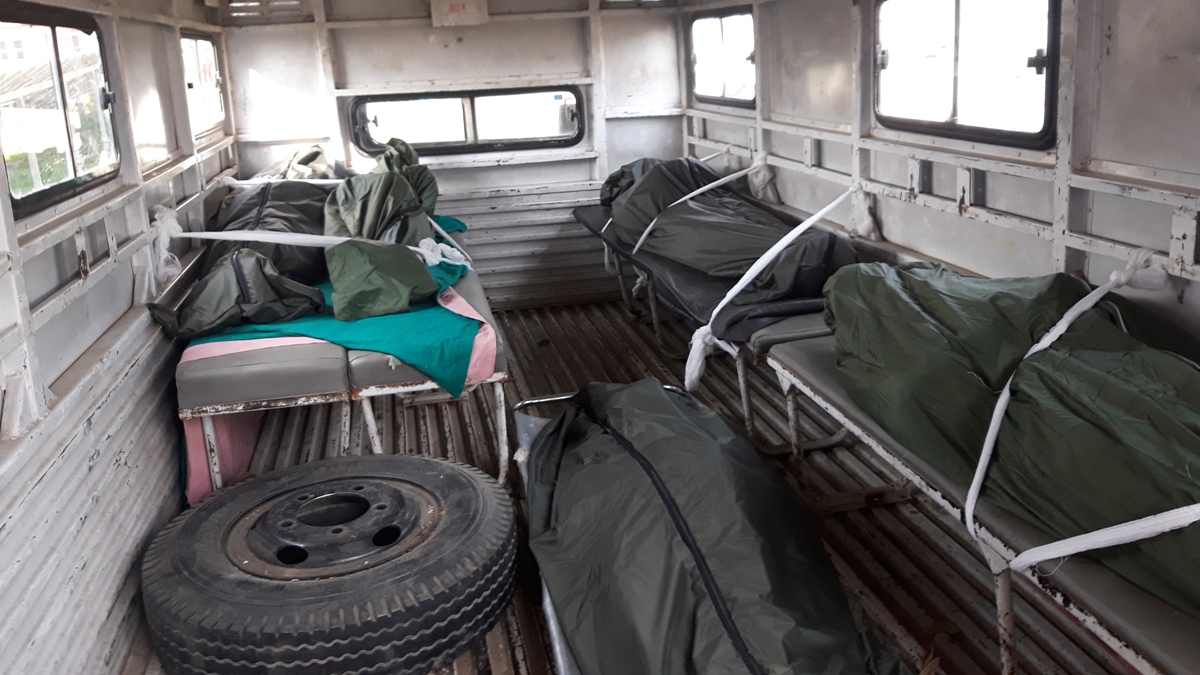
Bodies of slain labourers killed in Katroosu village of south Kashmir’s Kulgam district on Tuesday October 29,2019. KL Image by Shah Hilal

The withdrawing of internet is key to crisis on the compliance front. Traders have not been able to file either the GST or the IT. “We had already sent a detailed communication to the Union Finance Ministry seeking an extension in the filing of GST and IT,” Sheikh Ashiq said. “Since all the compliances and taxing processes are on-line, the internet disruption was expected to hit the entire business on compliance front.” The taxman has now extended the date for filing of the IT returns.

Ashiq said Goyal was “very positive” and after a “patient hearing” actually added to the issues the trade flagged. He hopes that the MHA takes up the issues with respective ministries and gets the orders issued. “We are not seeking any concession but we want the government to understand that the mess is outcome of their intervention,” he said.

After the meeting, the Chamber sat and revised the losses to the economy and issued a detailed report. Asserting that the loss estimation was based on the Jammu and Kashmir’s Gross Domestic Product (GDP) of 2017-18, the trade body put the loss at Rs 17, 878 crores in 120 days. It included Rs 4591 crores loss in economy’s primary sector, Rs 4095 crores to the manufacturing sector as the fast-growing services sector suffered a loss of Rs 9191 crores.

Copies of the report were submitted to the UT government and sent to various union ministries as well.

Kashmir economy is strongly linked to the Jammu, a manufacturing hub that is vital in the supply chain. Overall, both the economies have been in sort of crisis since 2014 floods. In the last five years, they survived bloody unrest in 2016 as the ongoing silent turmoil has bled seriously the hospitality sector. In fact, the 2019 crisis started with advisory asking the tourists to vacate from Kashmir. As tourists were made to leave, the scared non-local workforce jumped the free transport convoys to Jammu. Ever since Kashmir has not been the same.

“In hospitality sector, eighty percent of the jobs were lost,” one insider said. “We just have skeletal staff and those guarding the properties, rest are on leave, mostly unpaid.” Those in the sector believe that it will take a lot of confidence boost and exceptionally improved environment to get the visitors back. Bad tourist season has a crippling impact on the handicrafts. Off late, the handicrafts had linked itself with the internet for designing and direct selling but the jump to modernity proved costly.

The manufacturing sector suffered for want of workforce and once they managed it, they found Kashmir low on consumption. The real estate took a huge hit as people, fearing escalation of tensions, deferred constructions. For the two months after August, the service sector was almost sleeping. Once they got back to business, they found the ground realities had changed. The fear of tensions led to the fall in sales in almost all sectors. Farooq said he saw fall in the sales of essentials like spices. This, he said, was because the income was disrupted. “In such situations, people having some saving continue to hold it,” Farooq said. “Even in bad days, human beings try to spear some saving for the worst, that is what we are witnessing.”

Perhaps the one data that will detail the crisis is the number of applications that the Haj Committee received by intending pilgrims. This is vital because Haj is ordained for every faithful who can afford it. “Last year we received 22000 applications against 11600 berths,” Dr Abdus Salam, who heads the Jammu and Kashmir Haj Committee, said. “This year, we have reached 16000 applications and we expect some more from 10 districts of Jammu.” The Committee has extended the dates many times.

Even the Umrah tours have fallen. “In comparison to last year,” Sheikh Feroz of al-Khudam said, “I see a sixty percent fall, if not less.” Observes Mushtaq Ahmad: “This speaks about where the money has gone and what are the priorities now.”

That is perhaps why; sections within the investors are trying to shift to hedge the risk. “I have taken Jammu and neighbouring areas more seriously in the last few months because it helps me offset part of the losses that I face in Kashmir,” Farooq said. “I do want some facility in Himachal for expansion.” He asserted that more than 400 thousand jobs were impacted by the situation since August 5. “I see it manifesting itself by an increase in social crimes in coming days,” Farooq said.

The worst came to Kashmir’s apple basket as it was caught in crossfire of conflict and weather. It was loss at two ends. The conflict disrupted the traditional modes and channels of business as a result of which most of the crop was either sold at throwaway costs or was not sold at all. The closure of the local mandis in the first go and later the chain of killings of non-local traders and the transporters created a situation that part of the harvest is still in Kashmir outside the jam-packed cold storage facilities.

At the time of the filing of this report, officials said more than 8000 truckloads, most of the fresh apple, are still awaiting permissions to cross the bad patch of the Srinagar Jammu highway. “I hope the temperature helps this crop not to rot,” one official said.

The other loss was dictated by an early snowfall. More than half of the apple trees suffered losses, the older the more. It is expected to have a bearing on this sector’s output in next many years. Apple, a more than Rs 10,000 crores economy, is the main bread and butter to the most of the peasant population living in Kashmir periphery. Unlike all other sectors, apple farmers put in everything in their orchard and manage their year by selling the crop. In most of the cases, they lack a second source of income.

One area that barely got a mention in the longer narratives on loss was the culture of start-ups. Jammu and Kashmir was perhaps the only place in Asia where the success rate of the start-ups was as high as 85 percent; part of the credit goes to Jammu and Kashmir Entrepreneurship Development Institute (JKEDI). Since most of these low-ticket initiatives require normal market conditions with most of the modern facilities like internet, they have either crumbled or are barely breathing.
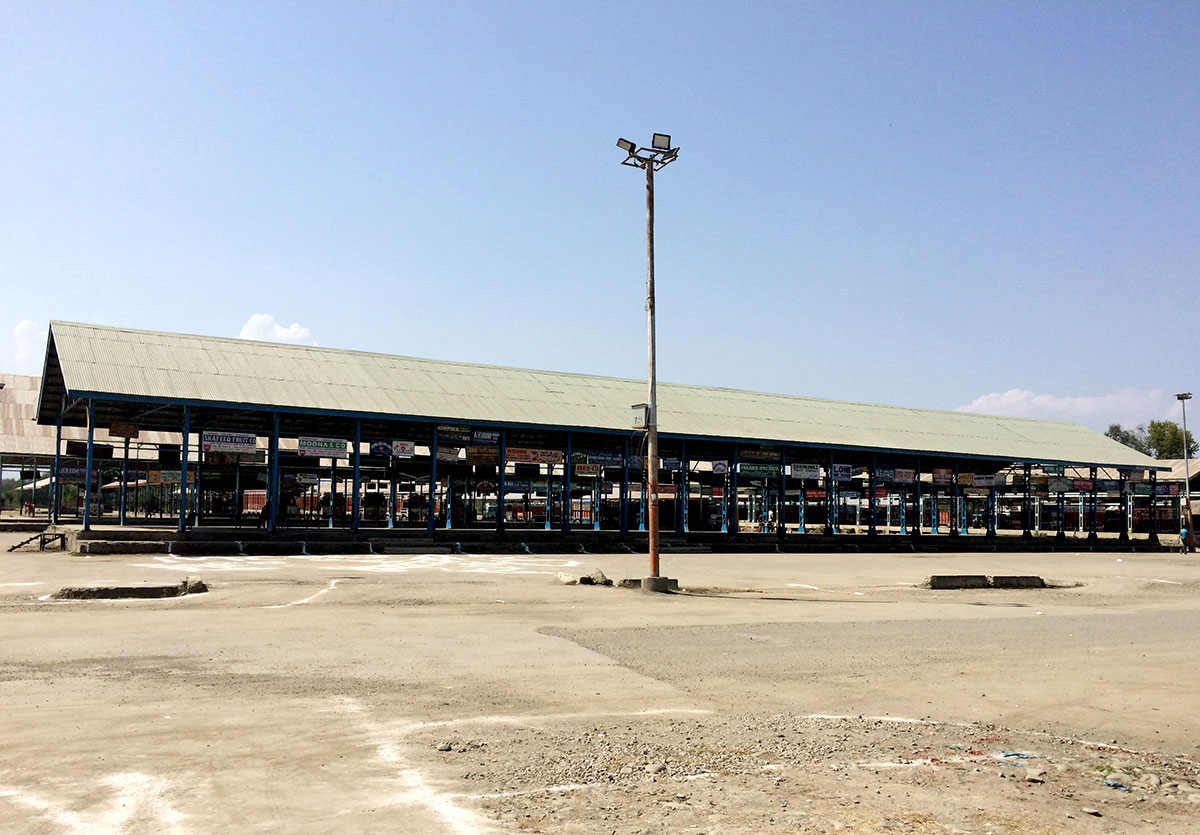
A file pic of fruit mandi Sopore after the abrogation of Article 370. KL Image by Bilal Bahadur

A file pic of fruit mandi Sopore after the abrogation of Article 370. KL Image by Bilal Bahadur

In backdrop of these developments, the MHA is planning a grand investment summit early next year. Chief Secretary BVR Subrahmanyam told in a recent meeting that 19 areas have been identified for investment of estimated one lakh crore. Plans envisage six domestic and six international roadshows and an ambassadors’ roundtable before the main event. Confederation of Indian Industry (CII) was selected as the national partner, while Earnest Young, PricewaterhouseCoopers (PwC) International Limited Expo have been selected as knowledge, media and event partners. Around 15,000 kanals of land have been identified for outside investors. Dr Jitendra Singh, a minister in the PMO, actually flew with a group PwC executives to a series of meetings in Jammu recently.

Media reports suggest that as many as 36 companies have submitted their expression of interest to invest in Jammu and Kashmir under the new scheme that will require hiring eighty percent local staff.

“The investors Summit will provide an opportunity to allay fears and apprehensions from the minds of outside business community about investment in J&K,” the top officer said. “It will present immense opportunities to develop contacts between the local and outside business community and will provide not only primary employment but also generate secondary and ancillary employment opportunities for youth.”


from Kashmir Life https://ift.tt/2FdiiJi
via IFTTThttps://kashmirlife.net

The Disempowering Debate

Integration and subsequent bifurcation of Jammu and Kashmir is the major happening in contemporary history with consequences within and outside India. But the work is still in progress, reports Masood Hussain

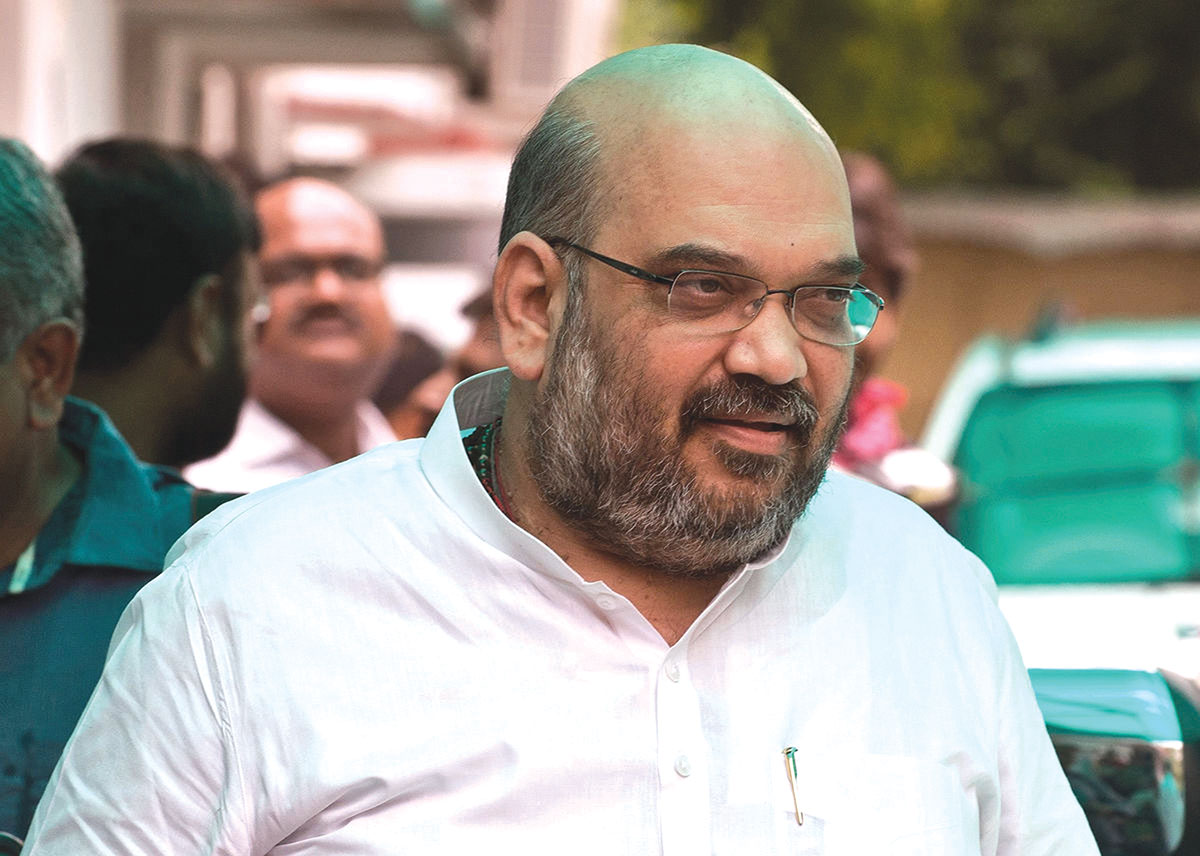
Amit Shah

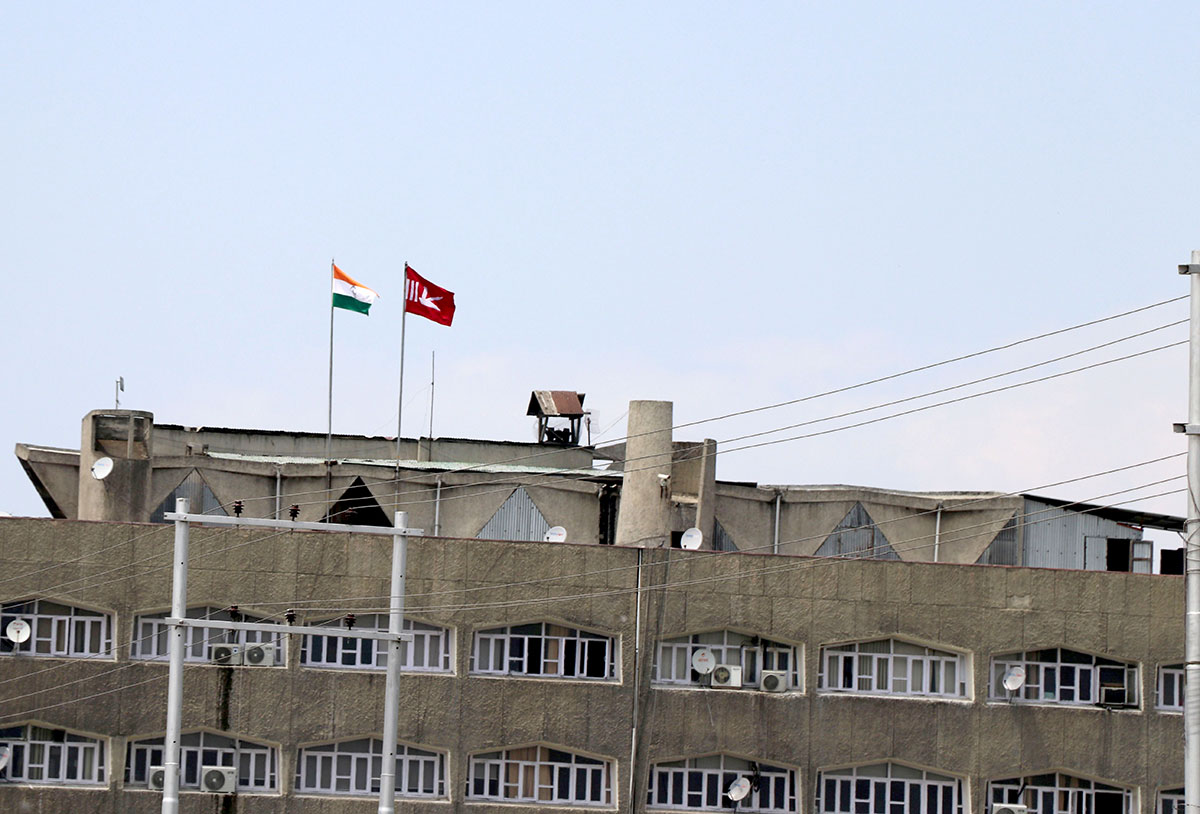
For most of the last 67 years, only a section of the population was able to distinguish the flag of the erstwhile state of Jammu and Kashmir from the party flag of the National Conference. The flag, however, bounced back to the public debate in wake of the massive Narendra Modi wave in 2014. Two major factors sustained the flag debate: Engineer Rasheed’s politics and a Public Interest Litigation (PIL) that was eventually decided by Justice Hasnain Masoodi.

Later, Jammu and Kashmir’s law ministry ordered that people holding a constitutional position in Jammu and Kashmir must give due respect to the state and the national flag. The order irked the BJP. Once it came to power, the order was amongst the initial few things that its ally, PDP, rescinded.

On August 25 evening the flag disappeared from the civil secretariat. By then, Engineer Rasheed was in a Rajasthan Jail and Masoodi, now a member of the Lok Sabha, was trying to have his first meeting with his jailed leaders, Dr Farooq Abdullah, and Omar.

“There was a thought process in the few days after August 5, that the flag may unfurl till October 31, when the new law will be rolled out,” one middle rung official of the UT government, privy to the developments, said. “But nobody knows why it was removed barely 20 days after the law was promulgated.” An expectation was the lowering of the state flag would mark some kind of a function that BJP was initially thinking about but it disappeared silently. Nobody knows who removed it and how.

The Kashmir flag’s jump into the oblivion of history was the second major development after the Jammu and Kashmir Reorganisation Bill was promulgated in parliament. The law was drafted in complete secrecy with most of the BJP functionaries and lawmakers not having a whiff of it. Its contents were revealed only after it was introduced in the House by the Home Minister, Amit Shah, at a time when Jammu and Kashmir was under strict curfew restrictions and almost the entire political class was under lock and key. Insiders in the government said only a few people managing Jammu and Kashmir knew the purpose behind the massive clampdown that preceded its introduction.

Contrary to the public perception that Article 370 stands erased from the Constitution of India, the fact does still exist. However, it is reduced to a complete shell.

August 5 developments had two ingredients. First was the President’s notification of the Constitution (Application to Jammu and Kashmir) Order of 2019. It junked its predecessor, the Constitution (Application to Jammu and Kashmir) Order of May 14, 1954. The 65-year-old Presidential Order was literally the mother of Jammu and Kashmir’s special status and protection to its identity, ethnicity, demographic composition and the territory. Though the Congress party had amended it 45 times taking away substantial quantum of the autonomy it envisaged in last more than six decades, the Order still retained its soul. The 2019 order took that away.

Almost two years after Jammu and Kashmir acceded to India, Article 370 was included in the Indian Constitution on October 17, 1949. Since it exempted Jammu and Kashmir from the Indian Constitution, except Article 1 and Article 370 itself, the central government had to invoke (through President of India) Article 370 every time it wished to extend a law to the erstwhile state. These extensions would require either a “consultation” or the “concurrence” of the government of Jammu and Kashmir.

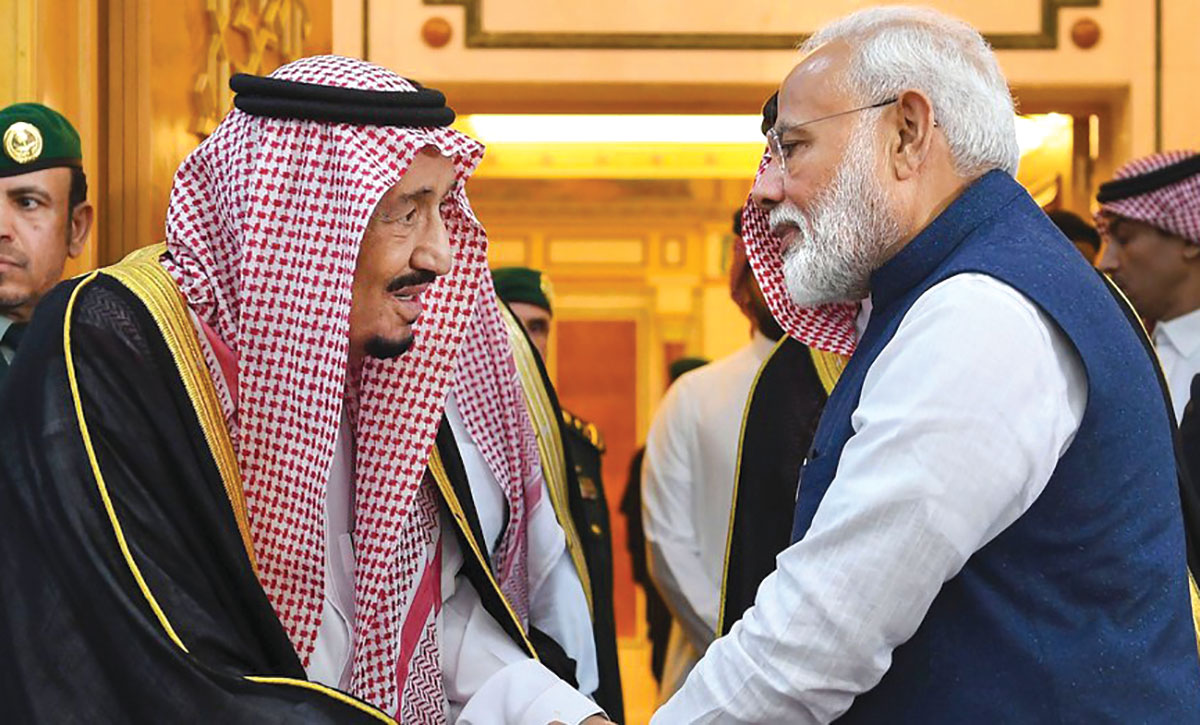
PM Narendra Modi with Saudi Arabia leader.

PM Narendra Modi with Saudi Arabia leader.

Till August 4, 94 of 97 entries in the Union List; 26 of the 47 items falling under Concurrent List; 260 of 395 Articles and 7 of 12 Schedules were extended to the state of Jammu and Kashmir.

Now, the 2019 Presidential Order permitted that “all the provisions of the Constitution, as amended from time to time, shall apply in relation to the State of Jammu and Kashmir”.

Faizan Mustafa, a constitutional expert who heads the NALSAR University of Law in Hyderabad observed that the government used “an innovative and constitutionally suspect manner” to bring about the change: The President invoked the Article 370 to amend Article 367 and inserted a new clause to Article 370 suggesting that the ‘Constituent Assembly’ of Jammu and Kashmir shall mean ‘Legislative Assembly’ of the State, and ‘State government’ shall mean ‘Governor acting on the advice of Council of Ministers’. Jammu and Kashmir’s constituent assembly existed between October 31, 1951, and January 26, 1957. Since then, Jammu and Kashmir had the legislative assembly.

“With this interpretation, Article 370 presented an entirely different picture,” Mustafa wrote in The Hindu. “Since the erstwhile State was already under President’s rule, the Parliament, by exercising ‘powers’ of the Legislative Assembly, gave its concurrence to the aggressive surgery of Article 370 that has killed the spirit as well as the text of the provision.”

It was in quick follow-up to the Presidential Order that the Jammu and Kashmir Reorganisation Act was enacted in the last two days of the parliamentary business. With Jammu and Kashmir’s constitution gone, the law divided the state in two Union Territories (UT) and made a choice from the laws already on the statute book: 153 state laws and 11 acts promulgated by the governor were repealed and 166 state laws were retained.

The position of Governor was reduced to the Lieutenant Governor and he became the de-facto ruler even in a situation when Jammu and Kashmir will have an elected assembly. Chief Minister became subservient to the LG as the assembly – Jammu and Kashmir had the most empowered assembly among all Indian states, lacks an authority to legislate on certain issues. Certain key functions including the control over the 150 thousand strong police force were taken over by the MHA.

The new list of official holidays now excludes the birth anniversary of Sheikh Muhammad Abdullah and the historic Martyr’s day.

On October 31, the anniversary of Sardar Valabhai Patel, the law was implemented with a Modi-Shah confidant, G C Murmu taking over as the first Lt Gov of Jammu and Kashmir. The new systems started getting into the UT and the process is still a work in progress. While the government in Jammu and Kashmir is tackling the issues of change-over on daily basis, the Government of India had also to initiate the process of tweaking certain established systems to manage the Jammu and Kashmir in a downgraded status. One major initiative, still underway, is a reference to the Finance Commission for devolution of funds. UTs are usually managed by the MHA and do not require a finance commission award but Jammu and Kashmir is a bigger entity and may not manage itself on that pattern.

The twin developments that still keep Kashmir on the edge with communication locked down and the political class in jail is the most important intervention in the history of the erstwhile state after 1947. From Delhi to Srinagar, everybody knew it will have consequences.

The first major apprehension was that Kashmir will fiercely react and it might lead to bloodshed. Given the large scale build-up that envisaged midway halt to the ongoing Amarnath yatra, mass arrests across Kashmir, closure of all kinds of phones and the internet and imposition of harsh curfew restrictions, people mostly stayed indoors. In certain areas, mostly in south Kashmir, the counter-insurgency grid got hyper-active to ensure that protests do not take place. The arrest of entire political class indicated the magnitude of the crisis. A belt in Soura was the lone instance where protests took place. As the unhappy and angry people stayed home, it became a protest in itself. A general belief is that lack of protests was more of a conscious decision at society level rather than the grand scale of the clampdown.

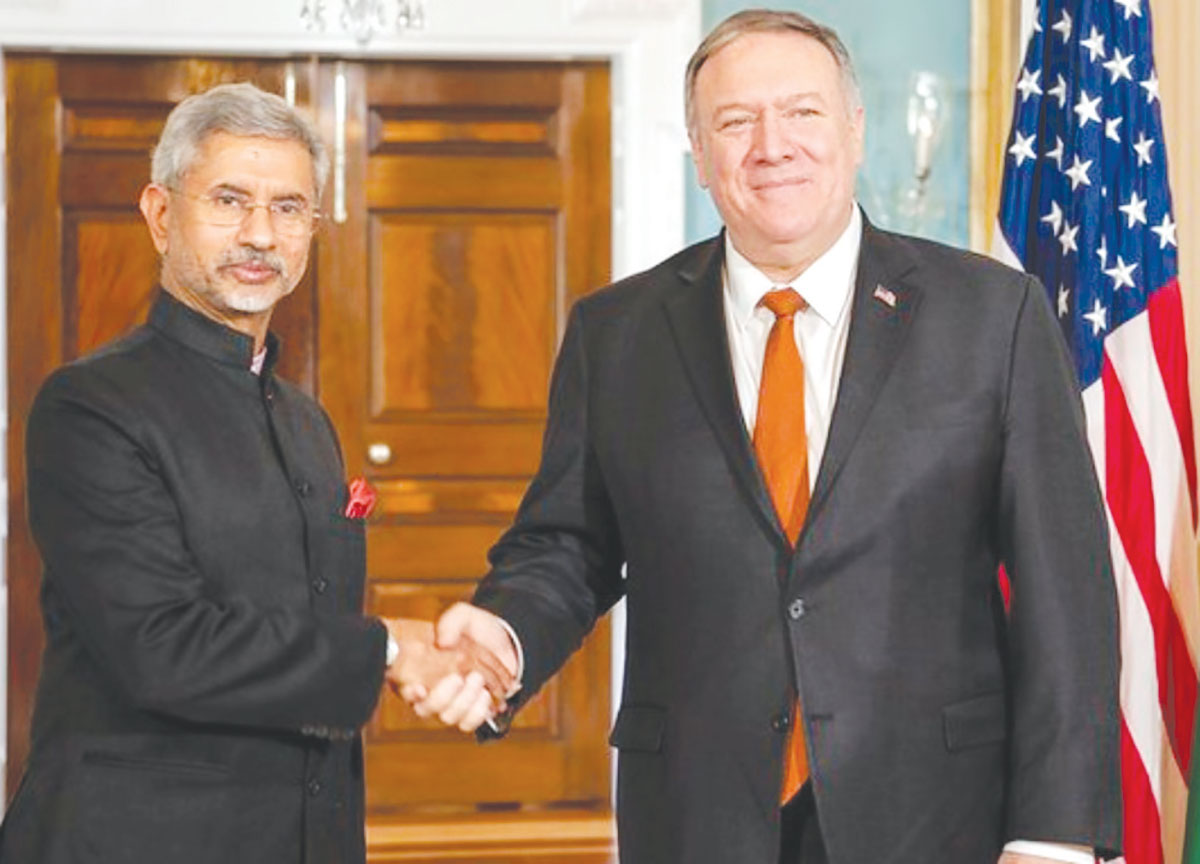
Foreign Minister S Jaishankar and US Secretary of State Mike Pompeo

Foreign Minister S Jaishankar and US Secretary of State Mike Pompeo

Writing in The Hindu, Amit Baruah the veteran journalist who has been covering Kashmir since the 1990s said the August 5 decision not only “decimated the pro-India constituency” but also led the separatists to win the “current propaganda” war in Kashmir. “Right from denigrating Sheikh Abdullah for going with India and, later, settling with Indira Gandhi in 1975, the separatists have always warned that New Delhi is not to be trusted,” Baruah reported. “The erosion of autonomy has hugely boosted their agenda. It also holds out enormous potential for jihadi outfits to use in their pernicious plans to obtain new recruits.”

Since the intervention was one of the most important changes that the Constitution has undergone, it was expected that people opposed to it will go to the court. It happened within days. There are more than a dozen writ petitions challenging the scrapping of the special status and dividing the state before the apex court. The Supreme Court has constituted a 5-member Constitution Bench to take care of these cases. There were two hearings with no orders. The Government of India filed its detailed response to justify the intervention. There is a demand by one of the petitioners that the Supreme Court must constitute a 7-member bench to hear the cases. So far there has not been any direction.

The third apprehension was that the August 5 decision making did directly hit the status of Jammu and Kashmir but it created precedence that could hit other states too. Precisely, it is being seen as the first major assault of the federal structure of India. There is loud-talking on this issue in various states including West Bengal and Tamil Nadu. One of the serious protests against the decision was in Punjab where tens of thousands of ordinary civilians moved out to the streets. This triggered a debate that is now gone louder in wake of the issues liked to legislation on citizenship. The Kashmir decision-making is currently the key factor why the Government has not been able to sign the accord with the Naga militants. They are seeking certain things, which go against the spirit of the one nation, one flag and one constitution.

Finally, as strategic affairs experts had predicted, the decision did had the diplomatic consequences as well.

Pakistan took the issue everywhere including the UN where Imran Khan made one of the scathing speeches ever. The response to the Kashmir diplomacy was two-pronged. Apart from Pakistan, there were only a few countries like China, Turkey, Malaysia and Iran, which sharply and publicly reacted to the withdrawal of the special status. Even most of the Muslim world stayed away from the controversy with a few in the Middle East stating formally that abrogation of special status to Jammu and Kashmir was India’s internal affair.

Most of the West reacted to the clampdown and harshly refused to accept the Delhi narrative. The USA, for instance, does not oppose the scrapping of the law but its Congress has harshly tackled different facets of the human rights in Kashmir. There were two Congressional hearings on Kashmir. In both the hearing a Kashmiri Pandit each briefed the Congress about the situation in 1990s. The American Democrats and the British Labour’s were quite sensitive to the constitutional shifts on Kashmir. Labour Party has already lost and 2020 will see the fate of Democrats in the Capitol Hill. There were at least two occasions when the US and its allies supported Delhi in preventing some process initiated by Islamabad and China on Kashmir. In a Security Council close door meeting on Kashmir, the members finally decided against a joint statement. As China sought another meeting, it was not agreed to by the Council boss, the USA.

At one point of time, Delhi roped in 23 members of the European Parliament and flew them to Srinagar. It boomeranged against the organisers. As it failed, one arm of the state in Delhi was actually pulling the legs of the other arm.

Civil Secretariat in early August 2019.

Civil Secretariat in early August 2019.

The tension on the Line of Control (LoC) between India and Pakistan, however, remains the issue of concern for most of the world. Last week, India and Pakistan lost two soldiers each to the exchange of fire, now a frequent occurring on world’s most active border. Once the UN members start talking on the border violence, the debate goes back to August 5 and beyond. In evolved democracies, diplomacy is handled quite seriously. Most of what is being said is hardly being made public.

The Kualalampur Summit (KL) has forced the OIC masters to rethink their status. Its latest manifestation was the visit of Saudi foreign ministers to Islamabad.  “Even the elites in friendly countries such as Bangladesh, Malaysia, Indonesia or Turkey, who are by no means ‘Islamist‘, tend to see Kashmir as a ‘Muslim issue’”, strategic affairs analyst M K Badrkumar wrote in The Tribune. “A recent opinion piece in the influential US magazine Foreign Policy is entitled Kashmir Could Wreck India‘s Reputation Among Afghans’. It is a nuanced analysis — by no means ‘anti-Indian’ – of how Afghan public opinion, which is traditionally friendly, is discernibly getting disenchanted with India‘s repression of Kashmiri Muslims.”

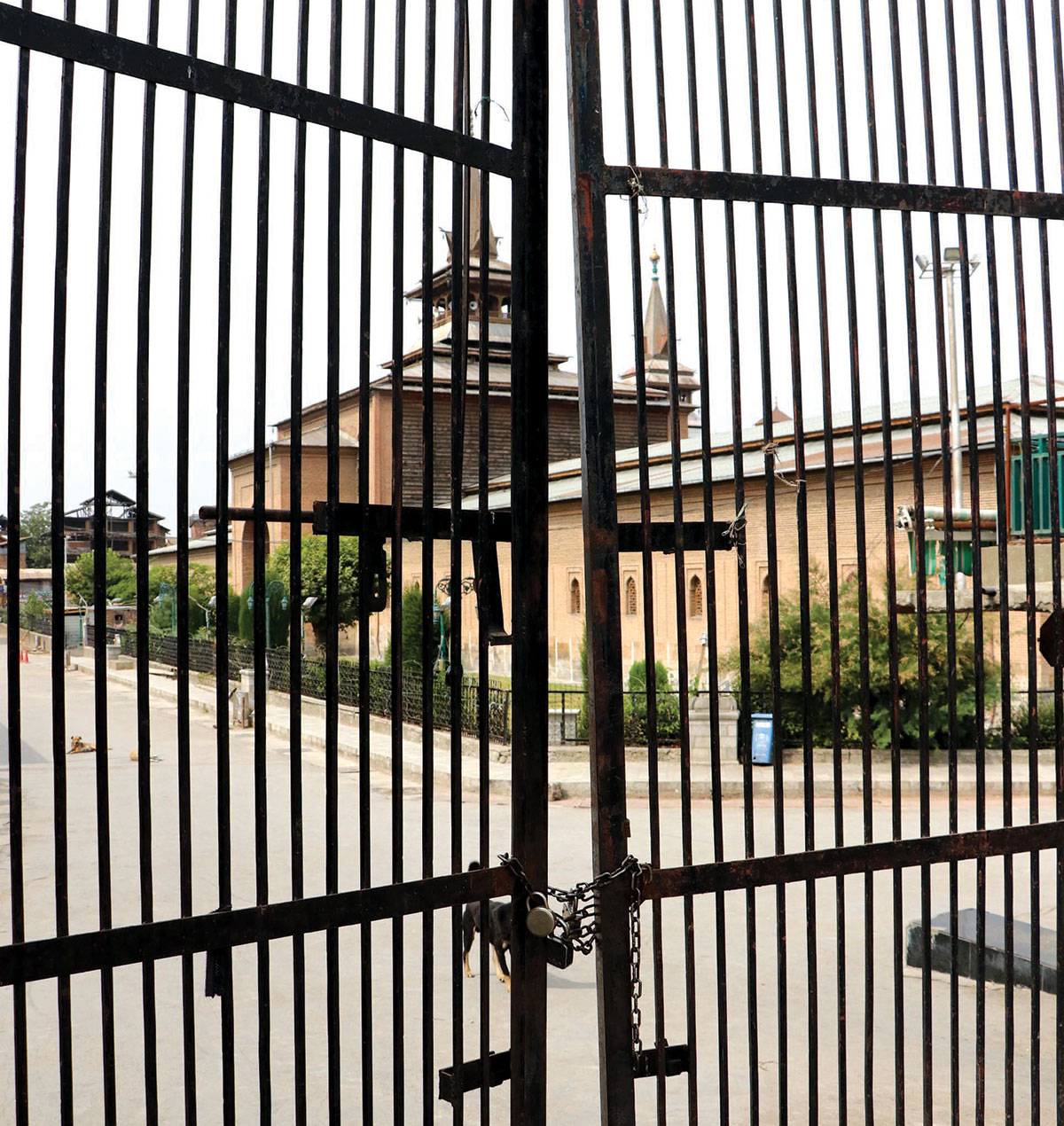
Locked gates of Jamia Masjid Srinagar.

Locked gates of Jamia Masjid Srinagar.

“It is India’s record and image as a democracy that is currently on trial, as much within the country as in the court of world opinion,” Narayanan asserted. “India needs to win the battle of minds within the country before trying to justify itself in the eyes of the world.”Irrespective of claims and counterclaims, the reality is that India’s proud heritage of being one of the leading democracies in the world has taken a beating,” M K Narayanan, the hawkish NSA of Dr Manmohan Singh wrote in The Hindu. “This is bound to continue as long as the clampdown in Kashmir, together with the continuing incarceration of Kashmiri leaders including the three former Chief Ministers viz., Farooq Abdullah, Mehbooba Mufti and Omar Abdullah, continues.”

The show, however, is going on. It is too early to write the last line on what happened to Kashmir on August 5.


from Kashmir Life https://ift.tt/2rQ1R2w
via IFTTThttps://kashmirlife.net
Briefing (December 29, 2019 – January 04, 2020)

KUALA LUMPUR

Last time, Imran Khan met his counterparts, Turkish Recep Tayyip Erdogan and Malaysia’s Mahathir Mohammad, the common thread that was the net outcome of the New York meeting on the sidelines of the UN Summit was the consensus to fight Islamophobia. They said they will set up an Al-Jazeera style news outlet to fight the crisis. Unlike most of the Muslim world, Turkey and Malaysia had responded to Kashmir developments of August 5, strictly in accordance with Islamabad’s position thus impacting their diplomatic and economic relations with Delhi.

Two months later, they are on two sides of a divide that Malaysia’s Kuala Lampur Summit (KL Summit) triggered. Hosted by Mahathir, the 3-day (Dec 18-20) Summit to discuss the issues confronting the Muslim world was attended by only 20 of the 57 countries forming the Organisation of Islamic Conference (OIC). Pakistan and Indonesia skipped attendance at the last moment. Erdogan later alleged that Pakistan stayed away as it buckled under Saudi Arabia’s pressure that threatened it by pulling out its deposits from its central bank and sending its 40 lakh workers in Saudi Arabia home. Islamabad and Riyadh have denied the same but Khan cancelled his participation after making a quite flight to Saudi Arabia for a meeting with MBS.

Muslim countries having strong economic ties with USA including Saudi Arabia, UAE, Egypt, Bahrain, Indonesia and Pakistan stayed away from the Summit amid claims that the KL Summit was being projected as an alternative to the OIC, that Saudi leads. Though the Summit hosts denied the allegation, the speeches made at the Summit did attack Muslim block’s failure in addressing the issues confronting the Muslim world. Along with Mahathir and Erdogan, two other leaders who were in the frontline of the Summit were Iranian President Hasan Rouhani and Qatar’s pro-Assad Emir Sheikh Tamim bin Hamid Al-Thani. All these countries have one or the other issue with Riyadh and they do not believe its Khadimain-e-Haramain status should give the country a position that undermines the significance of the rest of the Muslim world. Though all these four countries have issues with their own democratic set-ups, still the monarchs in the Middle East dread the Arab Spring.

As the Summit came to a close it dissipated with no formal declaration. However, the exercise that was attended by more than 450 officials from the Muslim world led to 18 agreements in between and a lot of serious talking on the economic issues. Despite being the world’s second most populous faith, Muslim countries barely contributed around 7.6% (US$6.5 trillion) to the global GDP, last year. They discussed the sanctions and the ways-out. Mahathir suggested a gold dinar or national currencies for intra-Muslim trade as Rouhani suggested crypto-currency. There were calls for richer Muslim nations investing in poorer countries as well.

Interestingly, Imran Khan is facing a lot of criticism over ducking the event because it could have given him yet another platform to preach Kashmir and get a bit of investment back home. This, however, has not prevented Mahathir or Erdogan to talk on Kashmir. “For Delhi too, the divisions in the Islamic world are of significance,” observes strategic affairs writer, C Raja Mohan. “If Malaysia and Turkey have become increasingly critical of the NDA government’s policies, the UAE and the Saudis have given India the benefit of doubt, until now. The Qatar-owned Al Jazeera channel has run a far more damaging campaign against Delhi in recent months than the much-maligned New York Times.”

KOLKATA

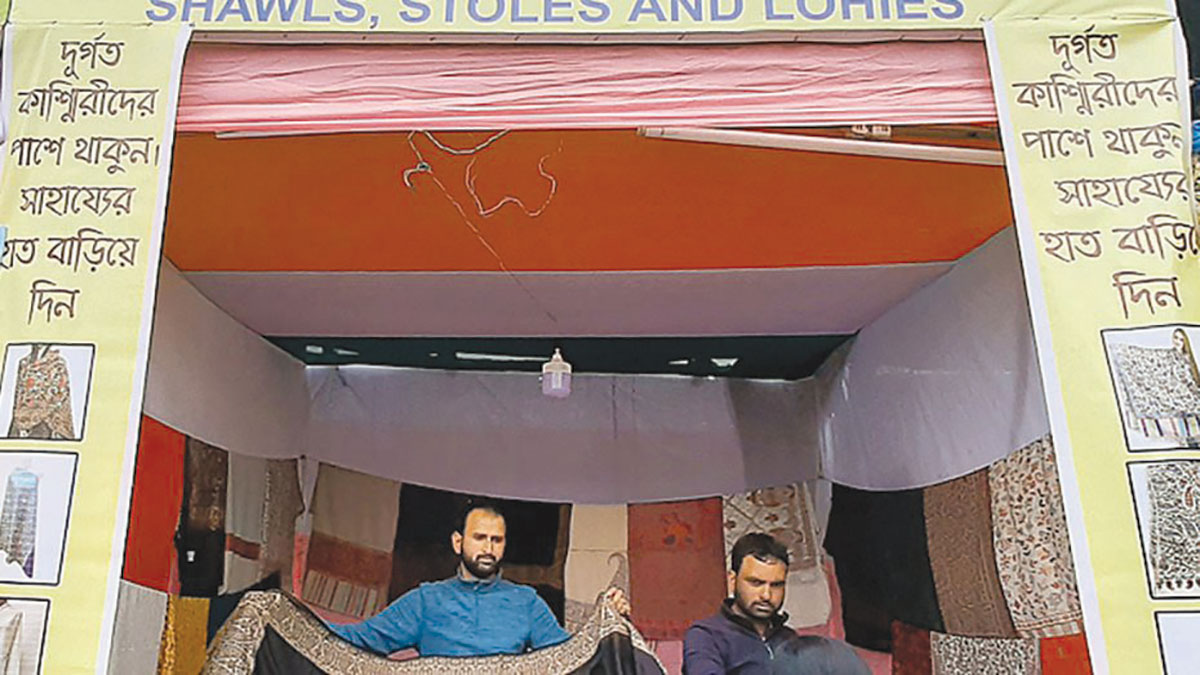
At the Pous Mela grounds, in Santiniketan, the ruling Trinamul set up its own stall to explain the party’s stand against the NRC and the Citizenship [Amendment] Act. At the last moment, it also had a stall selling Kashmir handicrafts manned by three Kashmiri youth – Nasir Ahmed, Tariq Ahmed and Ramiz Ahmed. The south Kashmir trio was selling shawls to the Amarnath pilgrims and they got a client named Abhijit Sinha. He is a Trinamul leader. They became friends. After August 5, Sinha invited them to West Bengal and finally helped them get the space in the party stall. By the time The Telegraph visited the stall, the trio had sold half of the 1200 shawls. “At the last minute, the district (Birbhum) leaders have woven Kashmir into the narrative by putting up posters urging people not to forget the plight of Kashmiris and to stand by them,” the newspaper reported. The trio is happy as they are back to business. Hence proved: every politics has its economics and vice versa.

MUMBAI

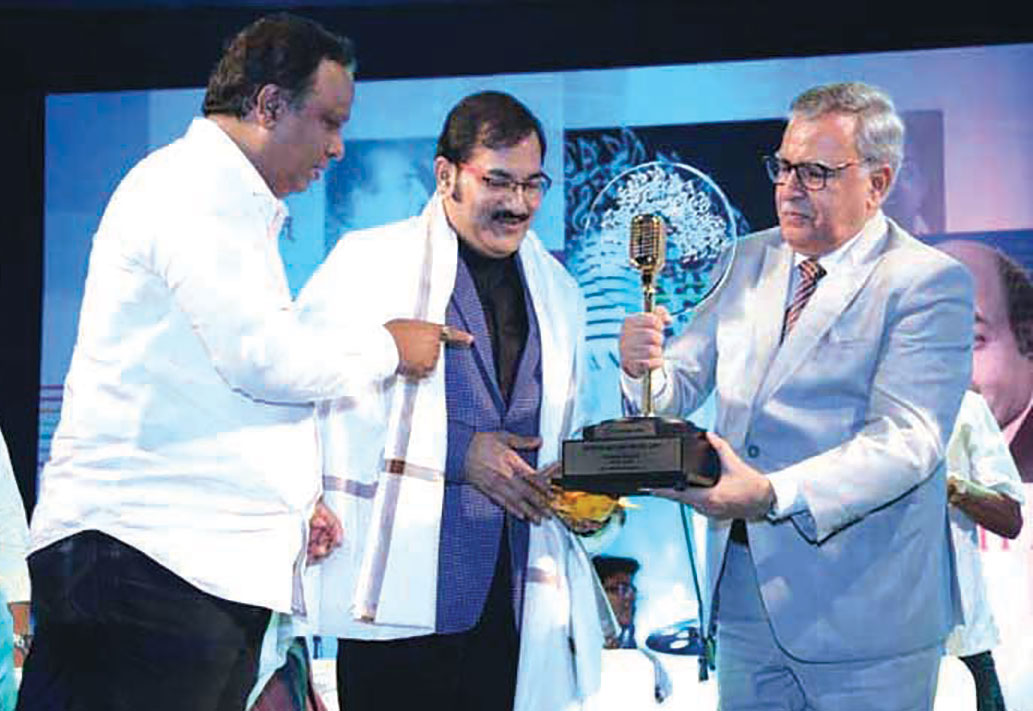
Post-1990 tradition has remained that every ruler of Kashmir makes a visit to Mumbai to invite Bollywood to reconnect with Kashmir. Dr Farooq, Ghulam Nabi Azad, Omar Abdullah, Mehbooba Mufti, almost everybody did it when they held the chief executive position in the erstwhile state. Last week, it was Farooq Khan, one of the advisors to Lt Gov of the Union Territory. Speaking to a gathering organised by Spandan Arts in connection with the presentation of 11th Mohammed Rafi awards, Khan told the industry that the picturesque Kashmir is known for hospitality too. “This is not a place of terrorism, but a paradise of tourism,” Khan, who was the chief guest of the function, was quoted saying. “To see the reality on the ground, you will have to visit the place and I am sure you will find it as peaceful as any other part of the country.” Post-August 5, Kashmir’s hospitality sector took a huge hit. In comparison to 2018, the footfalls reduced by a whopping 87%.

LUCKNOW

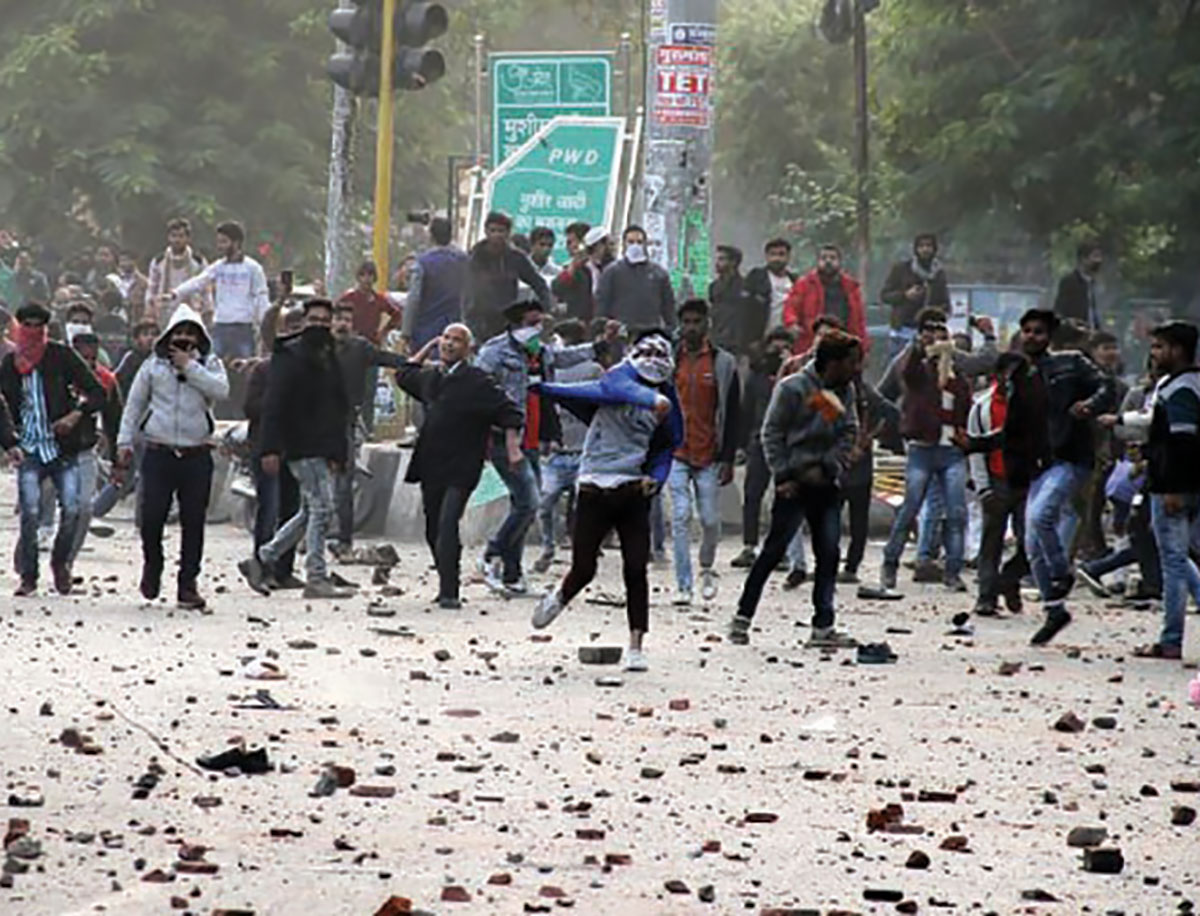
In the aftermath of the violence over the citizenship law, the UP police are looking for 60 to 70 youth who are from Kargil and Leh. Apparently, they are enrolled in the local educational institutions. The violent agitation led to more than 15 killings last week. However, a madrasa teacher in Muzaffarnagar was quoted by The Telegraph saying that the six of his institution’s students being labeled as “outsiders” by the police were locals and were in the hostel when the rioting was going on. Police said they have not been able to identify all the “outsiders”. Of the 72 people arrested in the district 40 were students of the Saadat Madrasa  and 12 of them were from Kargil, Leh and Bhopal. A day later, Junior Home Minister Nityanand Rai told a gathering in Samastipur (Bihar) that “Stone-pelters from Kashmir were called to participate in the ongoing anti-CAA protests across the state of UP.”

15.8% population in Jammu and Kashmir suffers from hypertension, according to a study published in the British Medical Journal.

BAREILLY

The cancer patient, Parvaiz Ahmad Palla, 34, a resident of Motibug in Kulgam, has returned home after spending four months in Bareilly prison. Suffering from papillary thyroid cancer, Palla, a father of two minors, told The Indian Express that he was given same pain killers for every pain he suffered during incarceration. He alleged he had developed some fungal infection and as his situation was worsening he was let free. Palla was arrested on August 6 and booked under the Public Safety Act (PSA) for being “threat to safety and security of general public and sovereignty of the nation”. After a day at Central Jail in Srinagar, he was flown to Bareilly along with 19 others. Mostly restricted to his cell, Palla was permitted a 30-minute walk every morning and evening. His father, Mohammad Ayoub told the newspaper that he “begged and borrowed” to get him out of the jail. When Ayoub reached Bareilly with medicines he was denied a meeting. He finally succeeded in meeting him on October 25.

POONCH

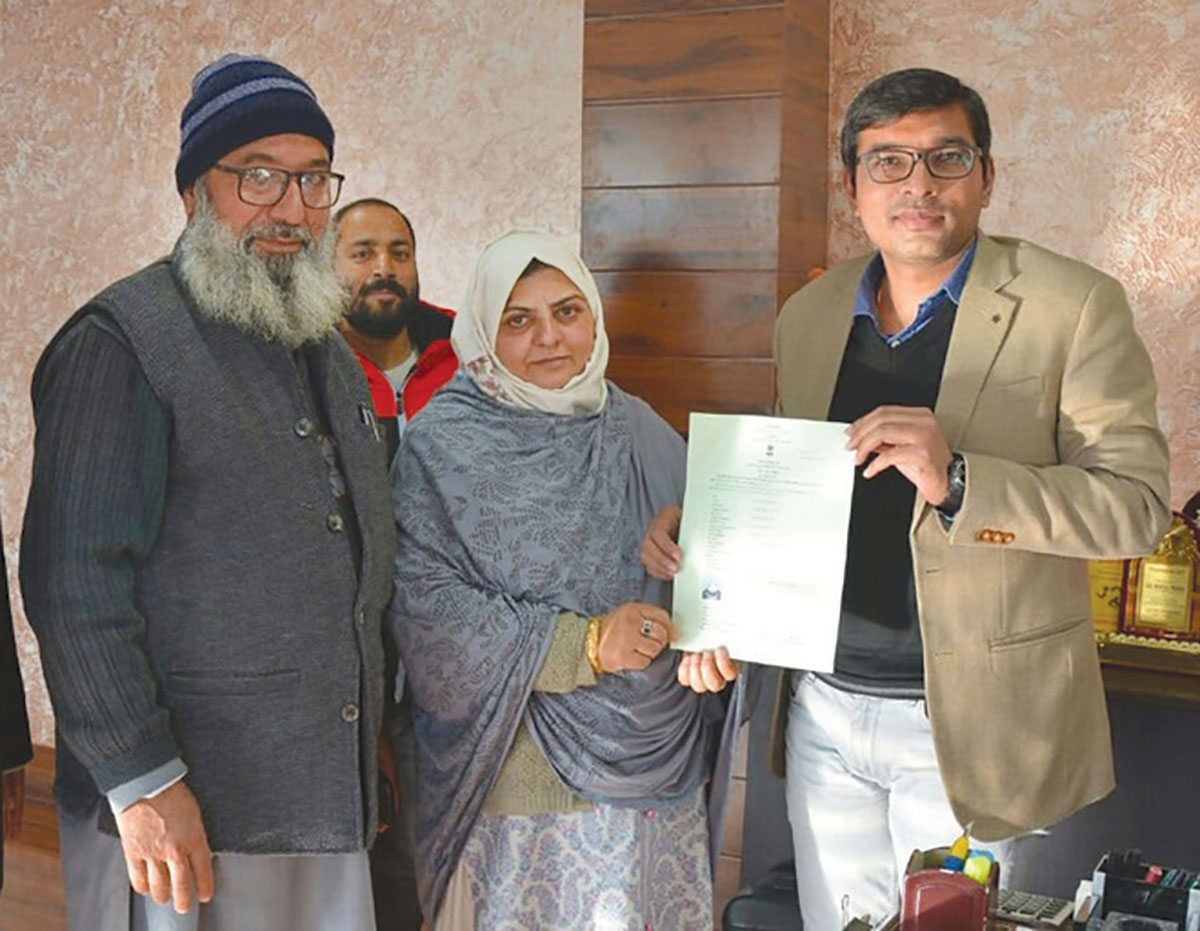
In the 1980 summer, his father took Mohammed Taj to Attock in Pakistani Punjab to meet his uncle. There, the two brothers decided to get him married to his cousin, Khatija. Since then, a son and two daughters were born to the couple living in Poonch. For all these 39 years, she was on visa that required to be extended every three or four months. Finally, last week, Rahul Yadav, the Deputy Commissioner in Poonch, handed over to her the Indian citizenship under section 5(1)(c) of the Citizenship Act, 1955. The couple was too happy to get it and they thanked the MHA for the rare honour.

8742 students from Jammu Kashmir applied for NEET on-line

QAMARWARI

Last week, it was the gurdwara Dumdum Saheb at Zainakote and this week, it is a mosque that the community agreed to demolish and relocate to pave way for the new highway. Almost 40-year old mosque would be relocated so that a long-awaited bridge over Jhelum completes. Outcome of Deputy Commissioner, Shahid Iqbal Choudhary’s meeting with the custodians, the mosque dislocation would help complete the Rs 10 crore 166-metre two-lane bridge connecting Qamarwari with Noorbagh. The government will reconstruct the mosque within a year. The new highway was facing 18 bottlenecks including two religious spaces, a fire station and 16 residential homes.

5538 concrete bunkers, of them 503 bigger community dungeons, have been constructed in the border areas: 1234 in Samba, 918 in Jammu, 1193 in Kathua, 1744 in Rajouri and 449 in Poonch

72 companies comprising an estimated 7000 paramilitary personnel were withdrawn from Kashmir.

JAMMU

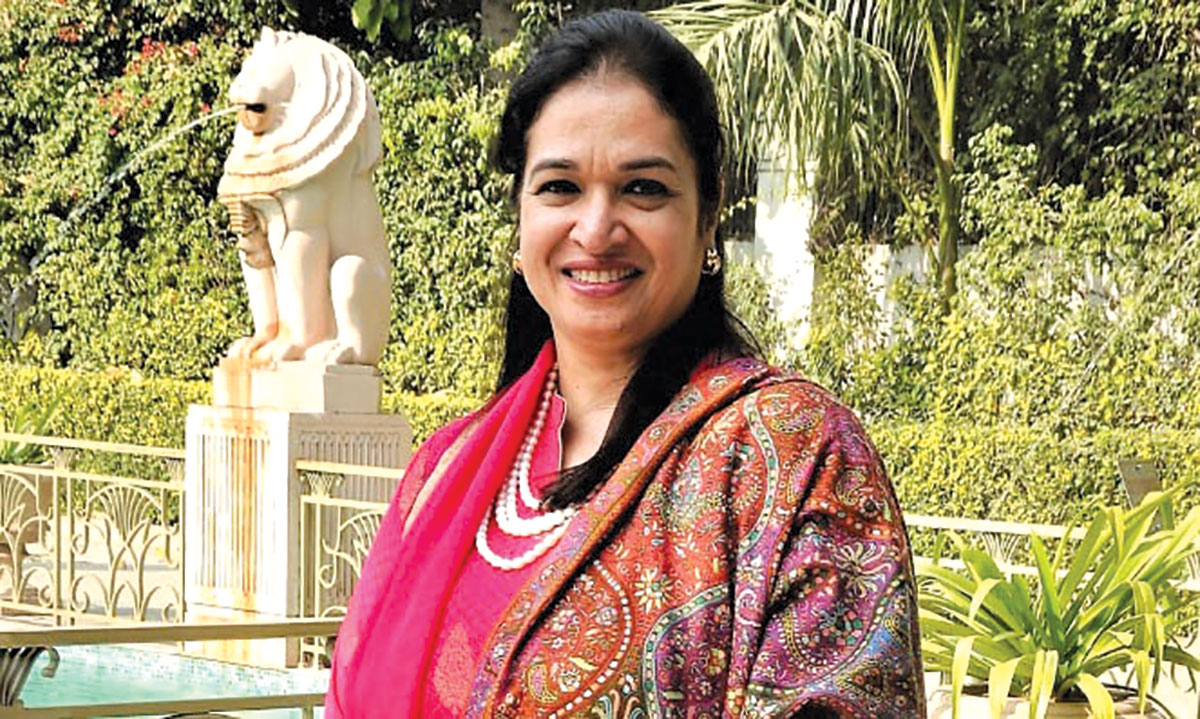
After Ludhiana’s textile engineer, Varuna Anand married Parveen and settled in Jammu, her husband set up Splendour of Kashmir because she loved textiles. He died in 2012 forcing Varuna to take over the company. Her experience in designing sarees and home furnishings for offshore clients helped her to master the new responsibility. She had earlier worked with House of Fraser, John Lewis, Galleries Lafayette Printemps, Laura Ashley, Tommy Hilfiger, and Satya Paul. Her knowledge of Kashmir shawls was not beyond her trousseau. However, she infused Rs 15 lakh in her new venture in 2012 and started offering a comprehensive range of curated shawls. Apart from trendy and economic Shawls, now she markets classic Jamavar shawls with traditional patterns. Her Ethereal & Classic collection, dubbed the Heirloom Collection, is endorsed and curated by Sara Abdullah Pilot, daughter of Dr Farooq Abdullah. This exclusive Kani shawl collection comprises extensively hand-embroidered Jamavar shawls. Now she is into promoting Kalamkari shawls, which are hand-painted and then hand-embroidered. Varuna sells her products online and through exhibitions only.

DELHI

A serving Major in the Indian army, Anoop Mishra has developed a level-4 bullet-proof jacket, Sarvatra, which can provide full protection against sniper rifle bullets. It was developed at the College of Military Engineering in Pune. The invention fetched the Major, Army Design Bureau Excellence Award. His motivation for working on the BP jacket came from the instances of sniper fire at the Line of Control, where the rival sides use high-precession snipers to hit each other. The jacket has been tried and tested by the Infantry at their test facilities and the army is expected to issue a tender for bulk purchase to be produced by one of the selected Indian defence industry partners, The Indian Express reported.

DELHI

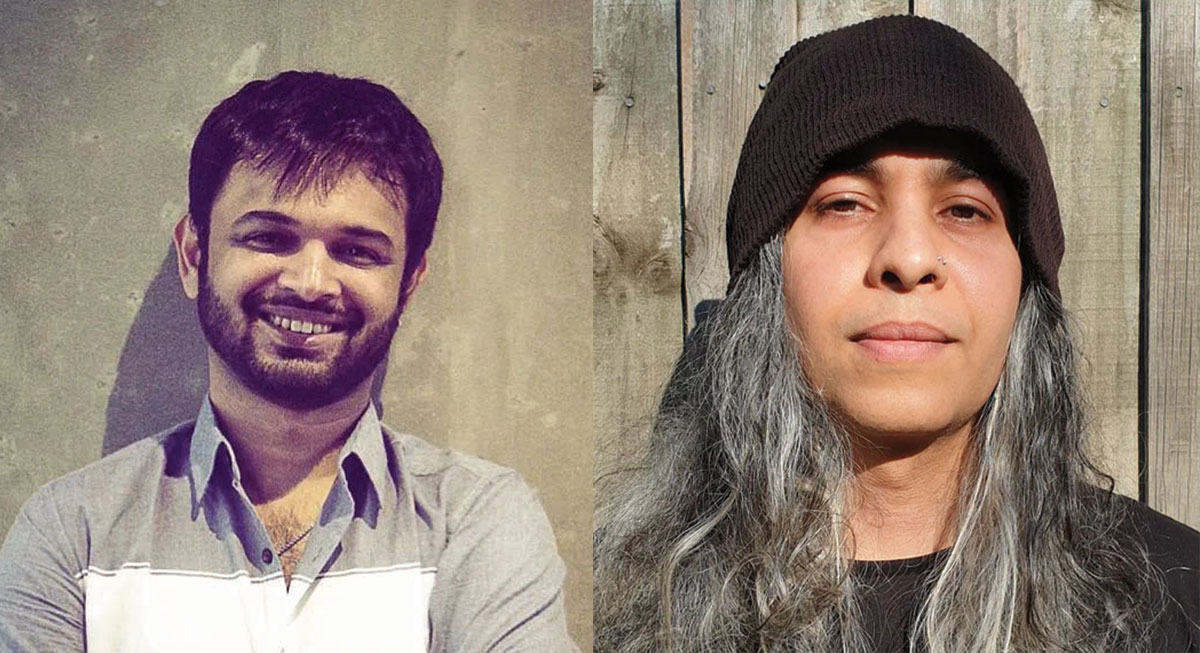
With Kashmir on the wrong side of the digital divide since August 5, a media group and a tech team managed a way-out. They converted the curated data from their own website and converted it into a tele-text and used SMS service to reach the youth in Kashmir. Vice Media joined hands with Dentsu Webchutney and set up a portal The 8-Bit Journo, now termed to be world’s first tele-text news portal. The idea came after Kashmir completed 100 days of the internet gag. “News stories with cultural relevance to youth were carefully curated and then converted into visually impactful pieces with the objective to facilitate a faster integration of Kashmiris back into the global fold,” a news report about the new invention said. “An introductory message inviting people to subscribe to the 8-bit Journo and access headlines across the globe was sent out. Once subscribed, a story was automatically pushed out to them each day.” Sarvesh Jasuja, who led the programme said they used open-source software for the conversion of data. Users can share the article using SMS. Was this the reason for banning the SMS service again?

SRINAGAR

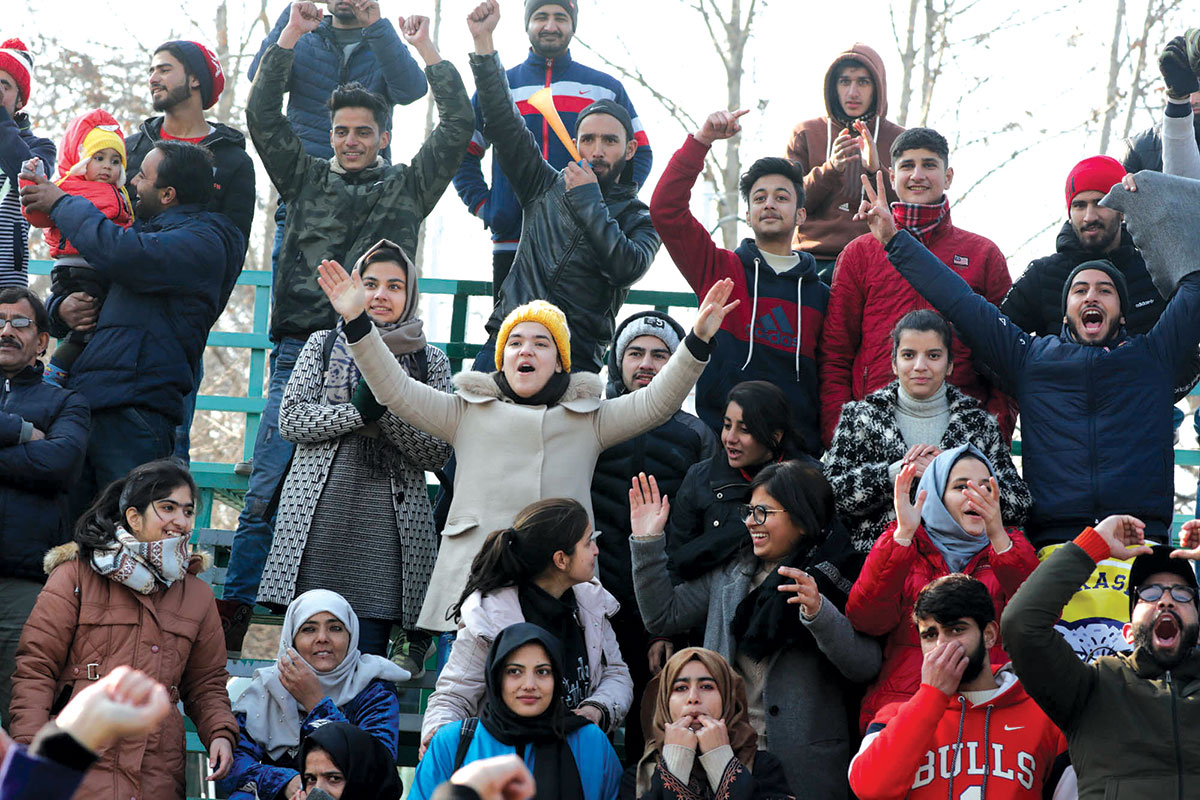
It was a good cheering crowd that braved the Chillaie Kalan chill to watch the Real Kashmir FC making its first win of the I-League season against Chennai. The match, under massive security arrangements, was the first sporting event in Kashmir after August 5. The team now called The Snow Leopards firmly in control of the game. Danish Farooq managed the first goal followed by Bazie Armand by another one, five minutes after. Chennai did manage a single goal. Interestingly, the official broadcasters, Sport, could not telecast the match live due to internet connectivity issues in Srinagar. Cheering crowd included BJP General Secretary Ram Madhav who said he is RKFC fan. RKFC had its two earlier matches drawn because of weather.


from Kashmir Life https://ift.tt/36geHWI
via IFTTThttps://kashmirlife.net

In Cold War

A harrowing car bomb explosion in 2019 almost got Kashmir into a war, reports Tahir Bhat

The 2019 Valentine Day when people around the world exchanging red roses and promises of being together forever, Kashmir witnessed one of the worst car bomb explosions in the last 30 years. More than 40 CRPF personnel lost their lives. Its impact is still visible almost 10 months later when the public transport and private vehicles have to pave way for the armed forces on the highway.

The deadliest-ever car bomb attack at Lethpora was condemned by all – separatists, unionists, UN, USA, UK and Moscow.

As the prime time TV slots fumed with anger and sought ‘revenge’, India and Pakistan got into a diplomatic war. Delhi withdrew the most favoured nation (MFN) status to Pakistan and both the countries issued demarche to each other’s diplomats.

The National Investigation Agency (NIA) visited the spot, took over the investigations, registered a case and arrested several persons. A charge-sheet is still awaited though none of the key suspects are alive. Media reports suggest that the two main suspects, Mudasir Ahmed Khan and Sajjad Bhat, were killed in encounters in March and June, respectively.

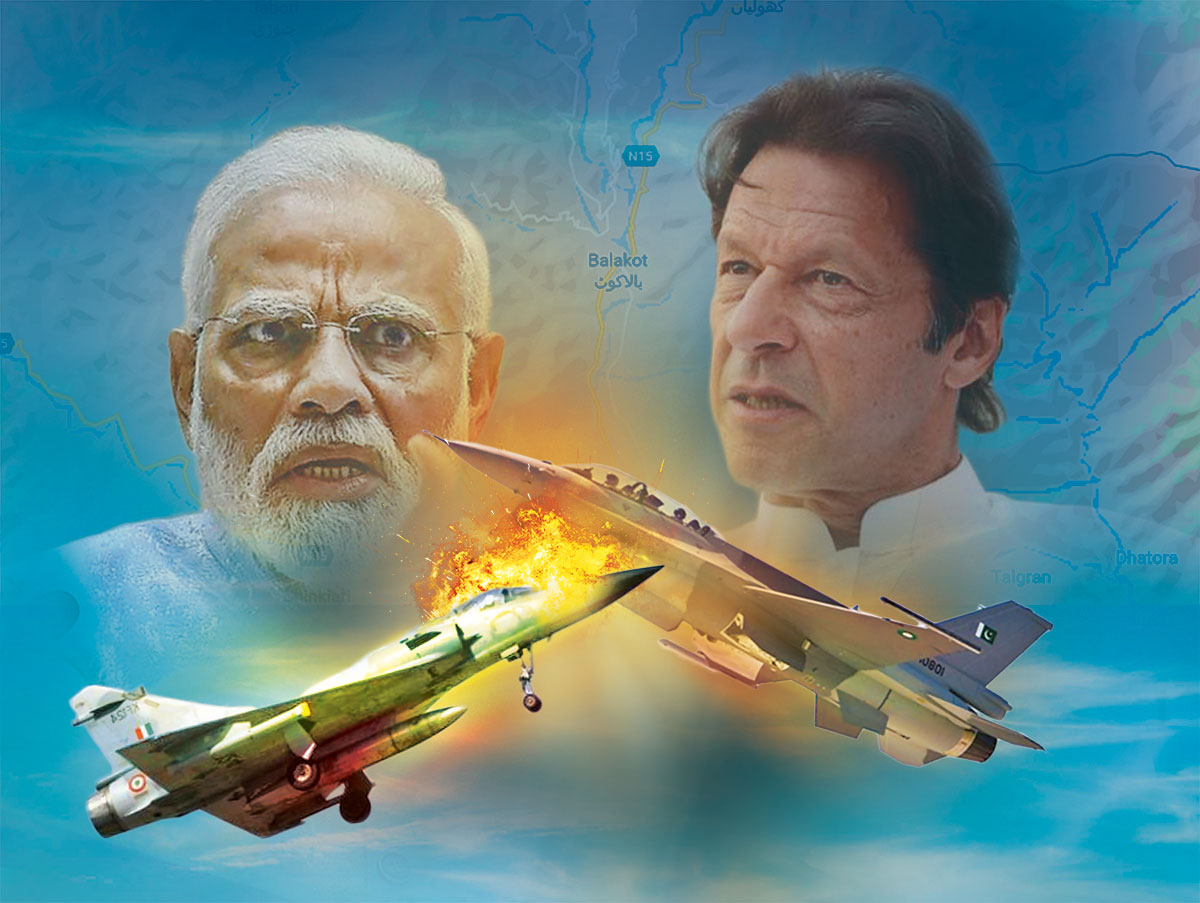
The attack ignited war hysteria and led the government to cross the Line of Control for the first time after 1971. On 26 February the IAF jets hit Balakot considered to be training camp of the Jaish-e-Muhammad outfit.

A day later, in renewed skirmishes in air, led to the downing of at least one Indian jet, and the capture of its pilot by Pakistan. A chopper was also lost in a battle ready position as it was hit by the missile over the Pir Panchal. Islamabad quickly returned the captured pilot apparently to reduce tensions.

After these developments, the civilian airports were closed in Jammu and Kashmir for some days. Reports suggest that Riyadh and Dubai played a key role at Washington’s behest to cool the tempers.

Moments after the attack, a serious situation emerged India as hundreds of thousands of Kashmiris who were outside for education, trade or simply on winter vacations faced heat of the angry mobs. There were countless instances of Kashmiri students who were beaten, forced to vacate accommodations, expelled or suspended from their colleges and dubbed anti-nationals. Some of them were booked for their social media posts.

Even Jammu city witnessed violence against the Kashmiri’s. A number of cars bearing Kashmir registration numbers were destroyed. A quick curfew saved the situation.

Though Pakistan suggested that the two countries must sit and discuss, Prime Minister Modi was already in the midst of elections. Pulwama and Balakot quickly became part of his speeches. He got a landslide victory.

Within 100 days of his new government, August 5 witnessed the undoing of special status. The state was bifurcated into two UTs. It marked the beginning of yet another diplomatic war that is still going on between India and Pakistan.

Initiatives taken in wake of the attack are significant and still in vogue in one or the other form. First was, the right to use the road given to the security grid. It cost the local trade and routine traffic hugely since then. Public and private transport halts for hours till the convoys move. Movement of trucks laden with merchandise takes weeks to reach Srinagar and it has shot up freight and made things costlier. The system has proved devastating for the fruit-laden trucks which wait for days to move out of Kashmir. A bad patch of the highway between Banihal and Ramban is adding to the crisis especially during adverse weather conditions.

After a series of protests, the restriction on civilian movement on the national highway was limited to Sunday with effect from April 22 and later completely withdrawn from May 27.

“After every five minutes we are stopped just to pave way for an army vehicle even if it is coming from the opposite direction,” said Adil Ahmad, a frequent commuter on the highway. “If you will travel just 10 kms on the highway you will spot youth being roughed up and beaten. It is normal spectacle now.”

The second immediate casualty of the attack was the cross LoC bus and the barter trade. Almost 14 days of bi-weekly highway ban order, the MHA on April 18, came up with another order banning the barter trade, duty-free trade across LoC at Salamabad in Uri indefinitely. It was justified by the reports that the trade routes “are being misused by the Pakistan based elements for funnelling illegal weapons, narcotics and fake currency etc”.

Coincidently, the trade had stopped on February 14, with authorities citing repair work on the Kaman Aman Setu Bridge as the reason. This bridge connects the divided Kashmiris. Started in 2008, the barter trade had completed a decade in 2018.

The overall security situation has remained improved on the militancy front right from the days Amarnath yatra started. Post-August 5, there is a decline in the anti-militancy operations. Less than a dozen gunfights took place in the last five months killing 18 militants. Before August 5, 152 militants were killed in gun battles, 105 of them between February 14 and August 4.

So far, about 50 civilians were also killed in Kashmir, most of them by unknown gunmen. Of them, 15 civilians including 11 non locals – mostly associated with the fruit trade, were killed in October alone. Many credited the decline in the confrontations between the counter-insurgency grid and the militants to the communication blackout.

In 2018, 257 militants were in Kashmir, the highest in last five years. As many as 91 forces personnel were also killed in gunfights in 614 militancy related incidents.

With the postpaid mobiles back and huge deployment in place, the UT Police Chief Dilbag Singh on December 25, asked the security grid to intensify the cordon and search operations (CASOs) and flush out the militants.


from Kashmir Life https://ift.tt/36flyzN
via IFTTThttps://kashmirlife.net
The Political Collapse?

History will remember 2019 as the rough year for politics in Kashmir. For the first time, both the faces of Kashmir’s ideologically driven politics were off the scene for different reasons. As the year approaches its conclusion, efforts are underway for a brand new platform, reports Saima Bhat

Ghulam Mohammad Bhat

Ghulam Mohammad Bhat, 65, became Kashmir’s first prisoner to die in a faraway jail in Naini since August 5, when mass arrests preceded the scrapping of special status of Jammu and Kashmir. Ministry of Home Affairs (MHA) told the Parliament that around 5161 people were detained under ‘preventive measures’ and most of them were shifted to jails outside Jammu and Kashmir.

Bhat was arrested on July 17 for his affiliation with Jamaat-e-Islami (JeI), a socio-religious party that was banned by BJP government in February 2019; in run-up to the last Lok Sabha polls. Five months later, he died on December 20, in Uttar Pradesh’s Naini jail.

Back home, his family was happy to learn that Bhat’s PSA was quashed and he would be released in January. His son, Mohammad Haneef, a labourer told reporters that owing to their strained financial conditions they were unable to visit their father. It was only after the police gave him an air ticket that he was able to visit Naini. He went to see his father and was told he is no more.

“The jail officials said that my father expired on 11:20 pm on Friday [December 20]. They didn’t tell me how he had died. They just led me to the jail mortuary and asked me to identify my father’s body. The body was then taken for an autopsy,” Haneef was quoted saying. He then left from jail along with the corpse around 2.30 am on December 22 and straightaway reached his home Bonapara (Handwara) home, where Bhat was laid to rest the same night.

How Bhat died is a mystery to his family. They claim he lacked any ailments barring his limping leg, also an outcome of his earlier interrogation.

LETHPORA AFTERMATH

The crisis to Kashmir’s political class started quite early when the then governor Satya Pal Malik dissolved the assembly. It became visible in the aftermath of the horrific Lethpora car bomb explosion on February 14, 2019, that killed more than 40 CRPF personnel.

The first casualty became the Jamaat that was banned. Its cadres were arrested during 10-day long raids in anticipation of Balakote air strikes. After the ban order came, properties belonging to its members were also sealed. In quick follow up Yasin Malik was arrested and his JKLF was also banned on March 22. Currently in NIA custody, he is facing cases of Rubaiya Sayeed and killing of four Indian Air Force (IAF) personnel in Srinagar.

It was the time when the political parties were busy preparing for the Parliament and assembly elections, which they expected would be held together. National Conference (NC) and People Democratic Party (PDP) were reclaiming the grounds they had lost by staying away from Urban Local Bodies and Panchayat elections, leaving the space to independents, Congress and the BJP.

As they started using the ‘BJP scare’, Election Commission decided to defer assembly elections without disturbing the Lok Sabha polls.  With thin margins, NC got all the three seats. BJP got two in Jammu and one in Ladakh.

After Narendra Modi led government took over, the new Home Minister Amit Shah flew to Srinagar on June 26. His interactions were restricted to bureaucracy and the security grid. He refused to meet any political party, one of whom had sent a written request. Analysts believed this was the beginning of a shift in Kashmir policy. During the meetings, Shah revealed his three-pronged strategy, “zero tolerance for terror, continuing strict action for terror funding, upholding the rule of law.” As soon as he landed in Delhi, additional battalions started flying to Kashmir. As it started creating panic NC’s Dr Farooq Abdullah, Omar Abdullah and Justice (retired) Hasnain Masoodi met Modi. Omar felt the meeting was “reassuring” in wake of the deployments being made during rumours of Article 35(A) abrogation.

A few days later on August 2, as the unease in air was growing within and outside Gupkar, Mehbooba Mufti attempted meeting Dr Farooq but failed. She later met Sajjad Lone and a delegation visited governor Malik. They planned an all-party meeting which took place and the Gupkar declaration was issued. In anticipation of another meeting, they all were put under house arrest during the intervening night of August 4. The same night all communication lines were blocked. A day later, everybody knew that Kashmir has lost its special status and now there are two UTs. In anticipation of the decision, mass arrests took place. A subsequent judicial intervention led to the identification of 144 minors, most of whom were detained and set free. Most of the detained were flown out of Kashmir.

Unlike all others, the political class that was on the right side of the ideological divide, comprising around 150 politicians were either restricted to their homes or lodged in Centaur Lake View Hotel on Boulevard after declaring it a sub-jail. Dr Farooq Abdullah, Omar Abdullah and Mehbooba Mufti were held separately. Abdullah Sr is at home; his son at Hari Niwas Palace and Mehbooba Mufti in a hut at Chashmashahi, and later shifted to a Bungalow on M A Road. After 42 days (September 15), Dr Farooq Abdullah, 81, five-time Chief Minister and five-time MP, was arrested under PSA.

For all these months, the families of the respective politicians are busy managing their requirements in detention. They are allowed to visit them, twice a week. Some of them are unwilling to talk.

“I have signed a bond,” Safia Abdullah told this reporter when asked about the condition of her father and brother. Dr Farooq’s detention was extended by three more months.

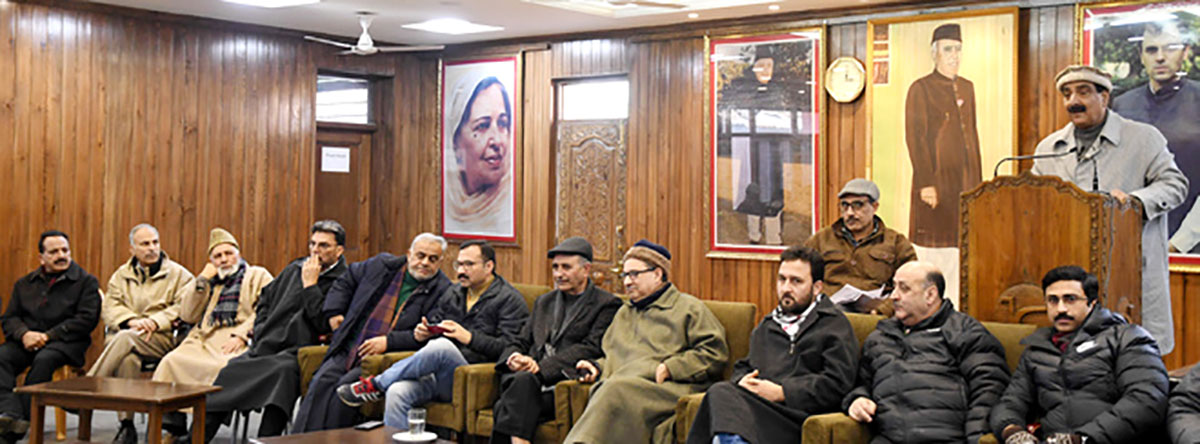
First meeting of National Conference leaders in Srinagar since August 5.

First meeting of National Conference leaders in Srinagar since August 5.

No family has south judicial help. Some say if they go to court and question their detention they too will be booked under the PSA. But Sehriyar Khanum, daughter of PDP’s Naeem Akhtar put it differently. “Why should we go begging before the administration when they have not done anything,” she said. “It has become ego issue for us as well.”

However, some politicians have signed personal bonds and went home. Vijaita Singh reported in The Hindu that five politicians including Mirwaiz Umer Farooq, two NC men and one each from PDP and Peoples’ Conference “signed the bonds” and “gave an undertaking that they would not indulge in any political activity after their release”.

After two months, when some of the political class in Jammu were allowed to move out freely, a delegation of 16 NC members met Dr Farooq and Omar, and on the same day two Parliamentarians Akbar Lone and Justice Masoodi also met the duo. But all these members were already informed about the do’s and don’ts of the meeting and restricted from talking to anybody about the meeting.

Ajay Sadhotra, a senior NC member, was part of the meeting. “BJP has suppressed the leadership in J&K but then there is Newton’s third law as well,” Sadotra said on phone. “I saw Farooq Sahib in high spirits. He told us we have to fight and we will. National Conference will always exist there.”

PDP members had also sought a permission to meet their president but the meeting was cancelled claiming “state administration wanted to portray normalcy.”

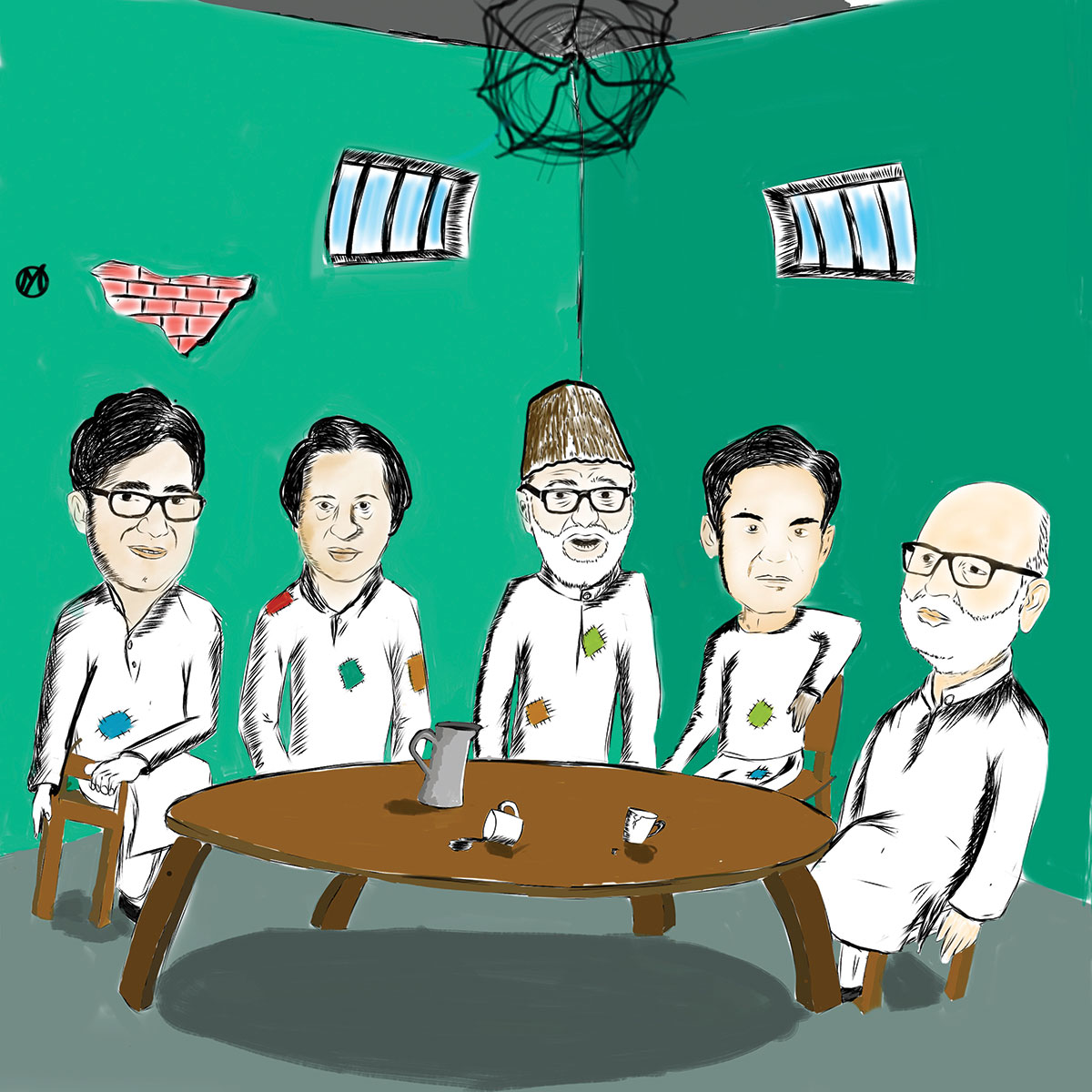
SIGNING THEIR FREEDOM?

Right now, around 33 detainees lodged in MLA hostel were reportedly approached by the administration and asked to sign a bond so that they can be released. The joint detention has helped these detainees from different political parties to come closer. Reports suggest that NC’s Ali Muhammad Sagar; PDP’s Naeem Akhar, PC chief Sajad Lone, and J&K PM chief Shah Faesal have repeatedly refused to sign the bond for their release.

“How can a politician give in writing that he will not indulge in any politics? Isn’t it suicidal warrant for a politician,” asks Shehriyar. As her father and others will complete five months on January 9, nobody has informed the families on what grounds they are detained. “Which makes it illegal detention.”

However, two leaders, Jammu and Kashmir People Democratic Front’s Hakeem Yaseen and Peoples Democratic Party’s (PDP) Mohammad Ashraf Mir, were released recently.

Since NC, PDP, and PC have most of their front line in detention, the parties are in disarray. An effort at realigning the political workforce is reportedly on.

BDC ELECTIONS

With main contenders in jail, the government decided to have polls for the BDC, a set up NC and PDP had deliberately not looked at. Congress party stayed away leaving independents and BJP members in the fray. Though most of the positions were taken by the independents, BJP got a good share – 1267 panch and sarpanch berths in Kashmir alone. In the subsequent election for BDC chairpersons, 81 were won by the BJP; one by the Congress; eight by Panthers Party and 217 by independents.

These elections were looking akin to the state assembly polls of sixties and seventies when the ruling party would dominate everything.

PARTY REVIVAL?

NC and PDP are now trying to regroup. Both the parties have had meetings recently at their respective party headquarters. Though NC’s Mustafa Kamaal was quoted in an interview that his party will not participate in any electoral process, pending reversal of centre’s decision on special status; his party was quick in releasing a statement saying they have not taken any such decision.

NC spokesman Imran Nabi Dar said he is regularly coming to his office. “Having meetings is not the revival of politics,” Dar said. “How can we do that when our senior members are in jail? We are demanding the release of all political leaders on priority.”

Dar believes the situation is abnormal. “There is no political process on ground, no semblance of system which is pro people, everybody is in fear and people are afraid to express,” he said. “It is not that we don’t want to resume our political activities but we have to review it first and that can happen only after our leaders are released unconditionally.” Dar also said no one is authorised to speak on party position or policy.

Everyone in the political class is cautious. Terming BJP “arrogant”, Sadotra said unless the political leadership is not freed, there can’t be any political space.

PDP’s Firdous Tak, who was put under house arrest for two months in Jammu calls 2019 as the “darkest phase” for Jammu and Kashmir’s politics. He fears that there is a vertical split between the two major communities in Jammu division.

“BJP and RSS played divisive politics and made it a religious fight rather than the normal, genuine special status issue,” Tak said from Jammu. “Due to creation of Islamophobia we see Muslims are not given any rented accommodation in Jammu’s posh areas.”

Tak says there is no question of reviving of political system. “We were only assessing the situation about if at all we can observe the anniversary of our party patron,” Tak said about the meeting, asserting parties are incapacitated to resume normalcy.

SMC STINKING?

Some politics is non-stop. The stink in the Srinagar Municipal Commission has grown unbearable. Fights and abuses are being hurled at each other by the members. There was a serious move to change the Mayor and his Deputy. A motion did throw away Sheikh Imran, the Deputy Mayor. But Junaid Matoo survived for the time being. Interestingly both belonged to Lone’s PC. How one survived and not another is something that might have links to the new politics.

Art Work by Yasir Malik

Art Work by Yasir Malik

Imran, who was in detention in the MLA hostel, has reportedly been arrested by the Vigilance Commission on December 26. Prior to his arrest, his father came with his resignation to the SMC. He had lost the vote before that.

It is important to note that BJP wanted to get a position. It has not given up, though.

A THIRD FRONT?

There has been a talk going on about creating “new politics”. After a selected group of politicians including PDP’s Muzaffar Beig, Syed Altaf Bukhari, and Usman Majeed of the Congress had a meeting with the European Parliamentarians, it indicated as if the party is ready for the take-off.

Baig later said in an interview that he is attempting to set the stage to strike a balance between Delhi and Kashmir. He suggested that J&K politicians must evolve a common strategy on the issues of contesting elections.

Though nothing actually came into being, the fresh political grapevine suggests that Bukhari, Beig, Ghulam Hassan Mir and many others may set up a new front. Mir, who heads his Democratic Party Nationalist, was under detention for almost four months. He believes the situation after August 5 induced fear for the jobs, land, economic blockade and loss of statehood as locals felt disgraced because Kashmir was once known as a nation.

Mir says fresh start is a must need. He admitted he is already in touch with many like-minded people, within and outside the MLA Hostel, across the party lines to create a platform.

“You can call it third front but I call it a joint platform,” Mir said. “I can’t give you names or figures presently. It will be premature to disclose it but yes we are in talking.” Mir said Bukhari that his close associate is also a part, and is presently in Delhi.


from Kashmir Life https://ift.tt/2QGyqbk
via IFTTThttps://kashmirlife.net
Gag Capital

As the internet shutdown continues into 2020, making it the longest internet gag in the history of democracy, reports Umar Mukhtar

Art Work by Yasir Malik

By the year-end when the internet gag would cross 150 days, it will be the longest ever shutdown in a democracy. There will not be ‘Happy New Year’ messages jamming the cell phones while 2020 gets in.

Fearing backlash, authorities on August 5, enforced blanket ban on communication. It is still in place on pre-paid mobiles, SMS and the internet. The first fixed line phone came to life on August 17.

As the crises deepened, authorities had set up a handful of landline telephone booths for around seven million people living in Kashmir. “My son is studying in Delhi, I could not contact him for weeks together,” said Fayaz Ahmad, Srinagar resident. “To simply ask for his wellbeing, I had to travel almost 4kms and wait for almost five hours on a designated booth for my turn.”

Sirajuddin, 68, another parent, however, was not fortunate like Fayaz. He could not connect to his son for three months even after landlines were restored. His son works in the Middle East. The ISD calls remained barred for many weeks after the fixed-line set up was restored. “We used to talk to each other via WhatsApp but we no more have access to it,” he regretted.

After 72 days, Rohit Kansal, the spokesman of the Union Territory of Jammu and Kashmir, on October 14, announced the restoration of the post-paid cell phones. Even the SMS worked for a day it got barred again without assigning a reason.

Kashmir has almost 40 lakh, post-paid phone users. Almost 26 lakh using pre-paid SIM cards are still waiting for their phones to ring up. Iltija Mufti, who uses her mother Mehbooba Mufti’s Twitter handle termed the restoration of phone network as “half-hearted step” to stave off “international pressure”.

Suddenly getting into the wrong side of the digital divide run riot with every sector of life. Media was a principal casualty. Though a media facilitation centre (MFC) was immediately set up for the media, the limitation of nodes for the entire sector makes them rely on bits and pieces of information from diverse media. Most of the newspaper in Srinagar still lack access to internet for uploading the data. At least one news portal has closed for the time being.

“It is devastation,” one editor said. “The entire revenue stream from the digital side has gone and now we are even losing the readers.”

The internet ban has dictated its own trends. Before August 5, the Kashmir press Club used to be crowded. Now journalists spend most of their time in and around the MFC house in the Directorate of Information and Public Relations.

“We rely on the internet provided by the government within the government premises on the government owned computers,” said Kasier Andrabi, a young reporter. “It is insulting when reporters have to wait hours to send their photos or stories to their respective organizations.”

The journalists protested several times against the blackout seeking restoration of broadband. In September they marched from the Club to the Lalchowk carrying placards reading “free us from media facilitation centre”.

“As soon as they announced the MFC, we realized that all the content entering or leaving Kashmir would be closely monitored,” Hilal Mir, a journalist was quoted by the RSF saying.

Forced by the curbs, Anuradha Bhasin, Executive Editor of The Kashmir Times went to the Supreme Court. Based in Jammu, the newspaper has a Srinagar edition that remained paralysed for almost a month. Foundation for Media Professionals and Indian Journalists Union filed intervention applications in Bhasin’s petition challenging the communication shutdown. However, what shocked the media was when Press Council of India moving an application in support of the gag, a petition they withdrew in wake of the condemnation by journalist bodies. More than 1215 days later, the case is still waiting final orders.

The Council later decided to send a team to Kashmir to report on the media scene. After dithering for many months, when it finally sent the team, weather gods helped the team to spend a few days in Jammu and return!

Gag on internet is the key factor responsible for the adverse reaction to the happenings in Kashmir from the rest of the world. “The blackout is a direct and grave violation of the people’s right to know about the decisions that will impact them,” UN special rapporteur on free speech David Kaye has said. The blockade, he added, has denied access to Parliamentary debates and the Prime Ministerial address on the issues critical to the future of people in Kashmir, and it’s “wholly excessive and unconstitutional”.

The protracted ban gave the dubious distinction of being longest in the history. Raman Jit Singh Chima, Asia-Pacific policy director of Access Now, a portal that details the internet shutdowns, has termed the ban “unprecedented” for a democracy.

Ban apart, the internet outage makes Kashmir its literal capital. In 2019, there were shutdowns for as many as 55 times, the highest in any state or Union Territory of India, according to internetshutdowns.in that tracks the Internet outages across the country.

As the shutdown completed 120 days, most of the Kashmir was off the WhatsApp. This mass exodus from the key platform made global headlines. Since 2012, Kashmir has 180 shutdowns, according to Software Freedom Law Centre. Mostly for preventative reasons, imposed in anticipation of a breakdown in law and order, still accounted for nearly half of the suspensions across India.

The ban had a crippling impact on economy, governance and education. The students suffered the most. Those appearing in the national level and global competitions and the scholars who had to check their submissions, would either move out of Kashmir or simply catch a train to the highway town of Banihal. People now call it as the ‘internet train’.

The government did set up internet kiosks to help students seeking to register for these exams. These were always crowded. “I went to Srinagar DC office for registering my form but I had to wait there for almost six hours in a queue and there was no guarantee if I could have still availed the facility so I decided to catch train and went to Banihal,” said Shahid, a student who appeared in NET.

Part of the loss is that, Kashmir economy suffered had some contribution of the internet shutdown. The entire e-commerce sector collapsed. “Sometimes, I feel we are living in a democracy or an authoritative regime,” asks trader Shahid Bashir.


from Kashmir Life https://ift.tt/2Fa66sP
via IFTTThttps://kashmirlife.net
Third meeting of J&K Medical Science Congress held at SKIMS

Srinagar

The third meeting of  Jammu and Kashmir Medical Science Congress was held at SKIMS auditorium. The theme of the event was the revitalizing the field of medical sciences in J&K. The event was supported by J&K Science Technology and Innovation Council.

Prof Talat, Vice-Chancellor University of Kashmir was the chief guest on the occasion. In his address, he stressed on the understanding of problems locally and intensive research needed in this regard. He said various collaborative initiatives have been taken with SKIMS to look into various areas and appreciated SKIMS for being an Institution of excellence.

Director SKIMS/EOSG, Dr A G Ahangar congratulated organizing committee for organizing the. He said this science congress is the educational program of identifying problem areas and evolving solutions.  He further said that there is a need to adapt to technological innovations. There are various challenges in the form of various diseases which have been cured and conquered but a lot more needs to be done, he added.

Dr Ashraf Ganie, Professor Department of Endocrinology and organizing chairman of the event welcomed guests on the occasion. He thanked Director SKIMS /EOSG &Dean Medical Faculty SKIMS for their support. In his inaugural address, he focused on the importance of scientific research in delivering proper medical care as medical care delivered without research and academics leads to adverse events, he added.

Dean Medical faculty, Dr Omar Javed Shah, Prof Ghulam Jeelani Ex-Principal GMC Srinagar, Prof. Maharaj-ud-din Ex-Director SKIMS also spoke on the occasion and congratulated organizing committee for taking this initiative which provides an opportunity to the budding scholars and researchers to present their findings and open new horizons of research for the future. The event was attended by leading experts/researchers/scientists of the country who deliberated on varied topics.

Leading surgical gastroenterologist Dr Avinash Supe gave a detailed presentation on surgical education. He remarked the surgeons have to embrace honesty, empathy and commitment for good practice.


from Kashmir Life https://ift.tt/2ZHMCFh
via IFTTThttps://kashmirlife.net